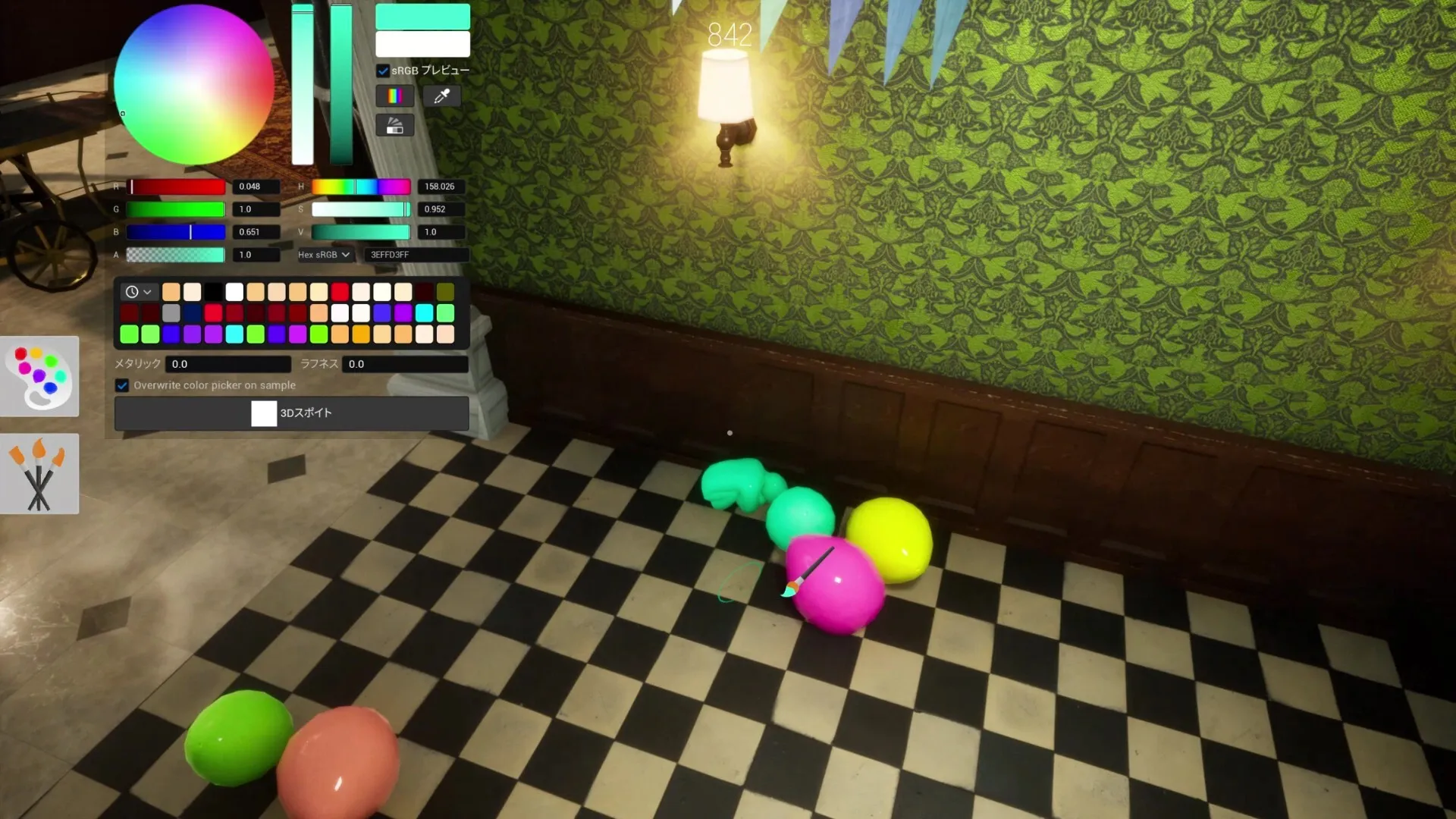


If you grew up on neon-loud arcade action and precision platforming, Meccha Chameleon lands like a fresh jolt of caffeine. It is one of those games that looks simple at first glance, then starts demanding real timing, real memory, and a real willingness to adapt on the fly. I spent enough time with it to see past the initial charm: this is not just a quirky mascot game, it is a focused reaction test wrapped in a wild visual identity.
The premise is immediately memorable. You guide a chameleon through fast, compact stages where movement is only half the battle. The real hook is transformation-based traversal, which turns each stage into a little puzzle box. You are not just sprinting to the end; you are reading the environment, switching states, and learning how to chain movement without losing momentum. That rhythm gives Meccha Chameleon a personality of its own, and it keeps the action from feeling generic.
Why Meccha Chameleon stands out
Plenty of indie platformers want to be cute and clever. Meccha Chameleon does that, but it also respects player skill. It rarely wastes your time with filler. Instead, it pushes you to get better through repetition and sharp stage design. Every successful run feels earned. Every mistake feels fair. That balance is harder to achieve than people think, and this game gets it right more often than not.
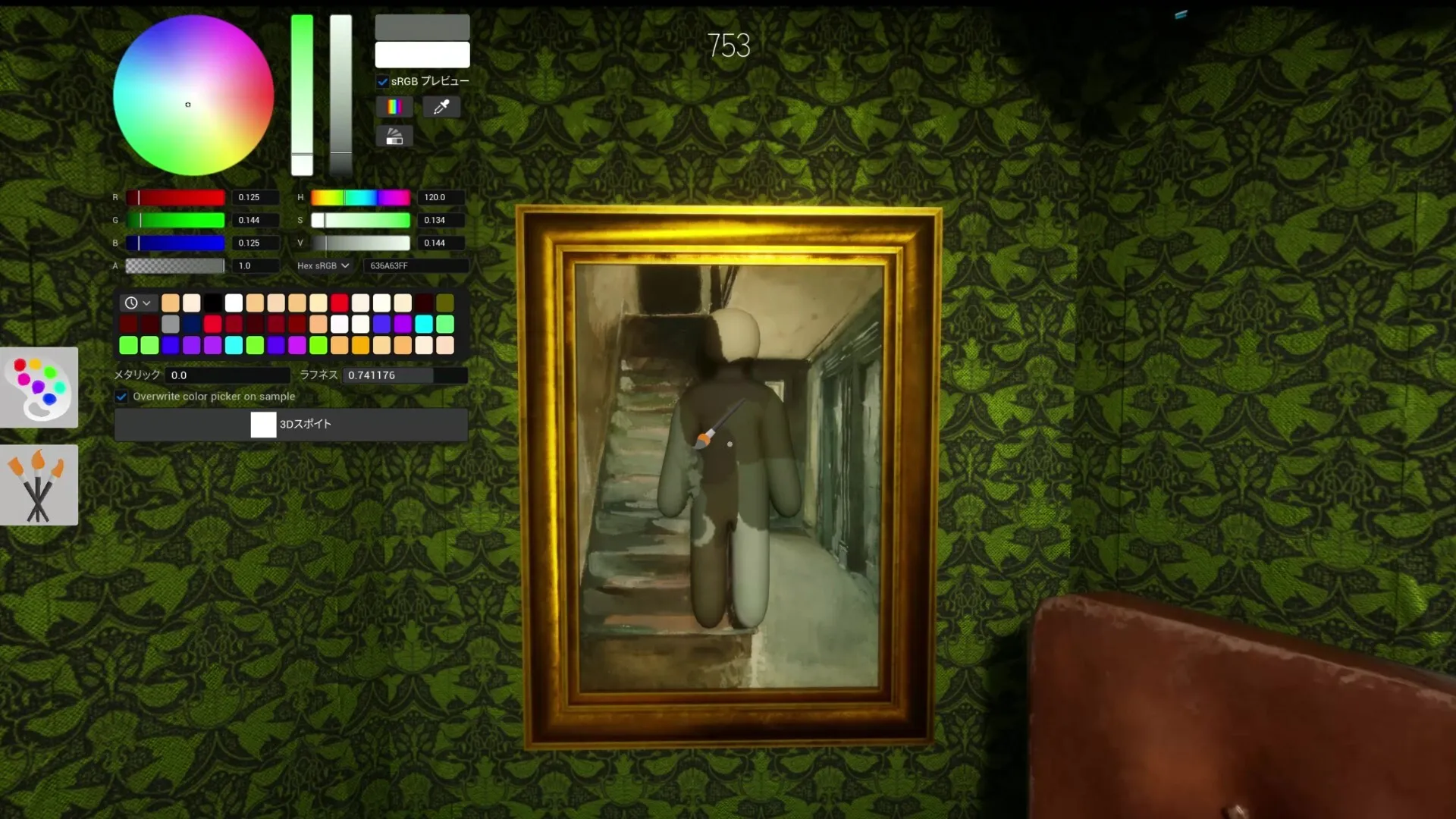
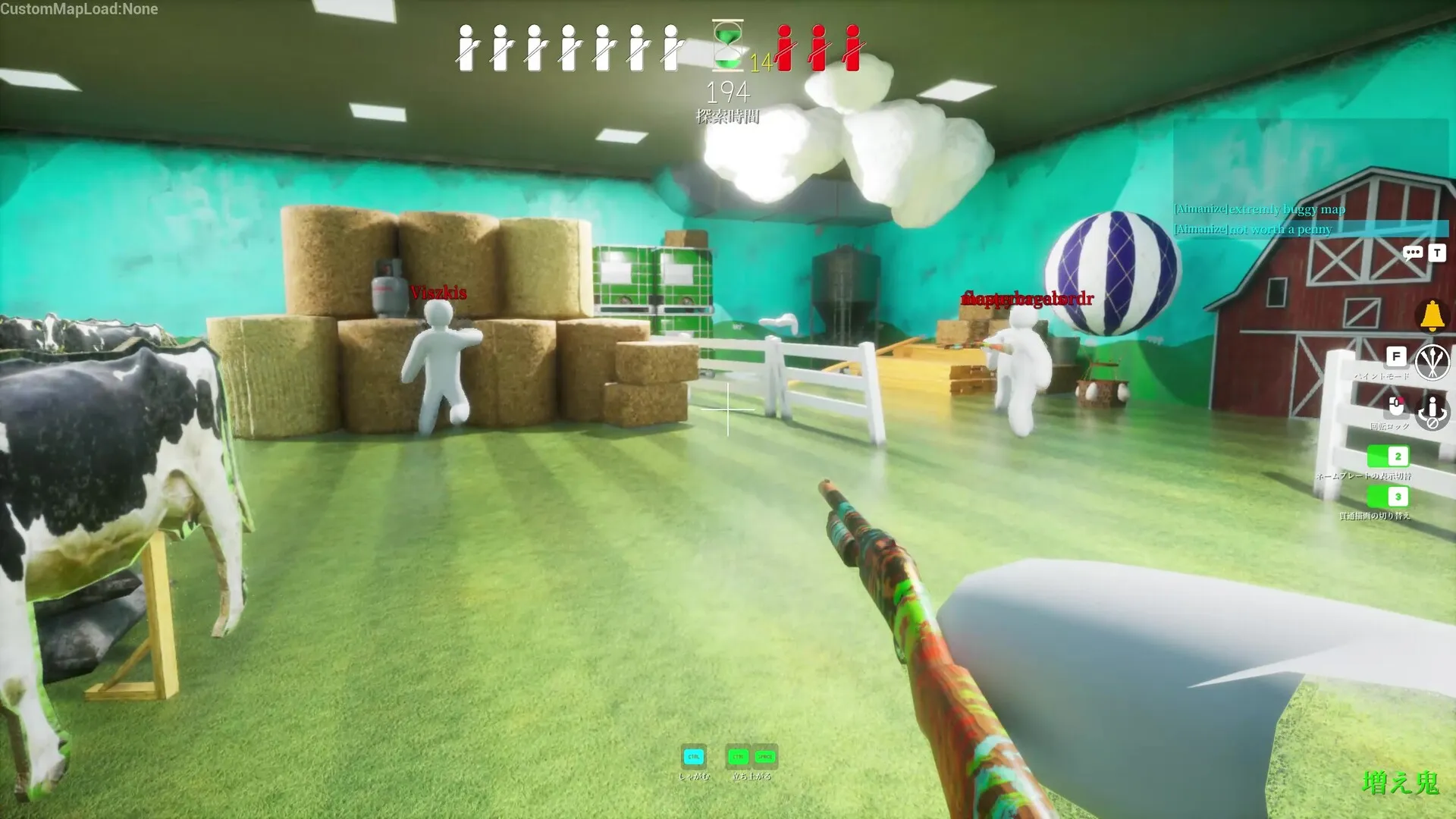
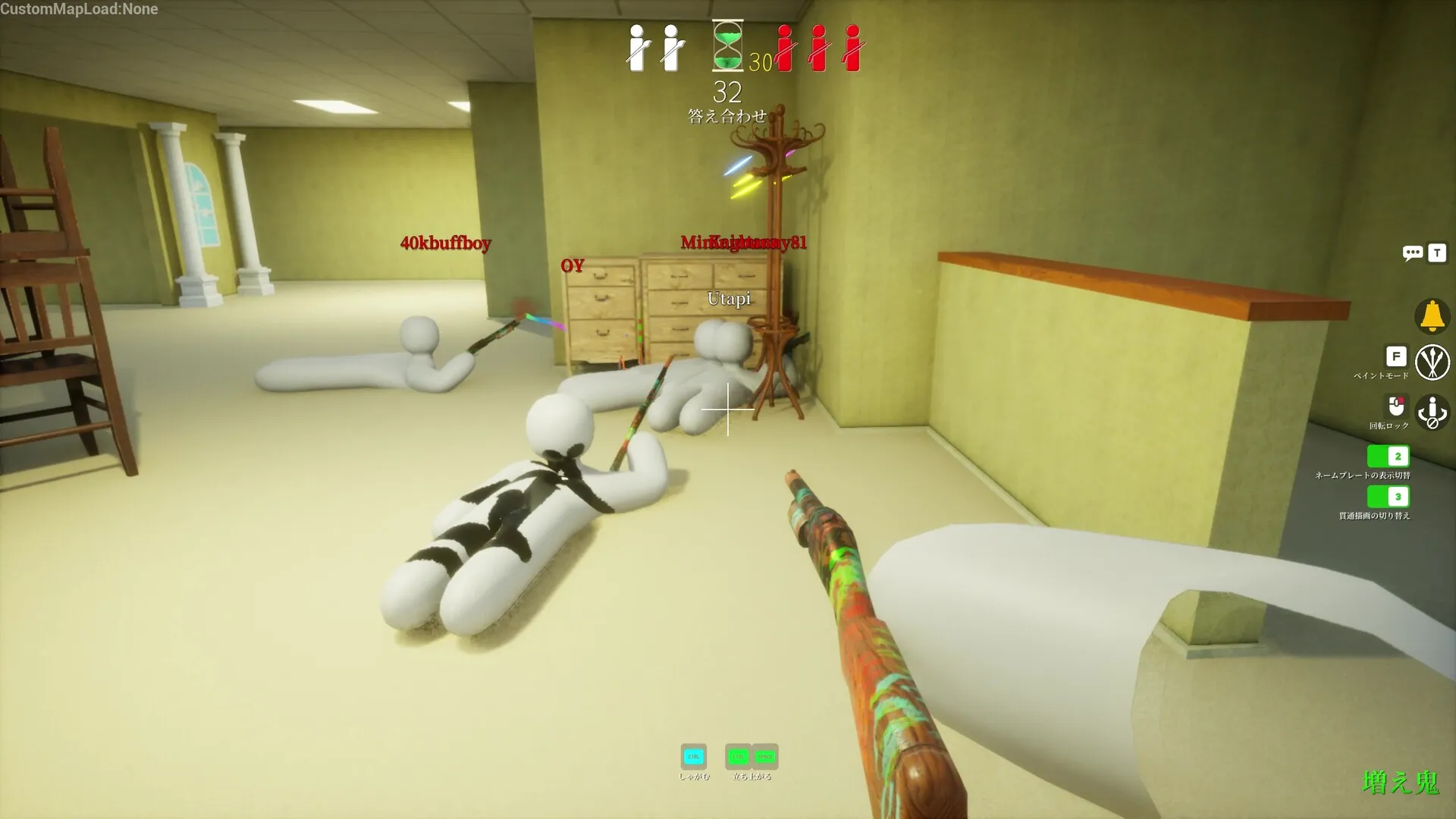
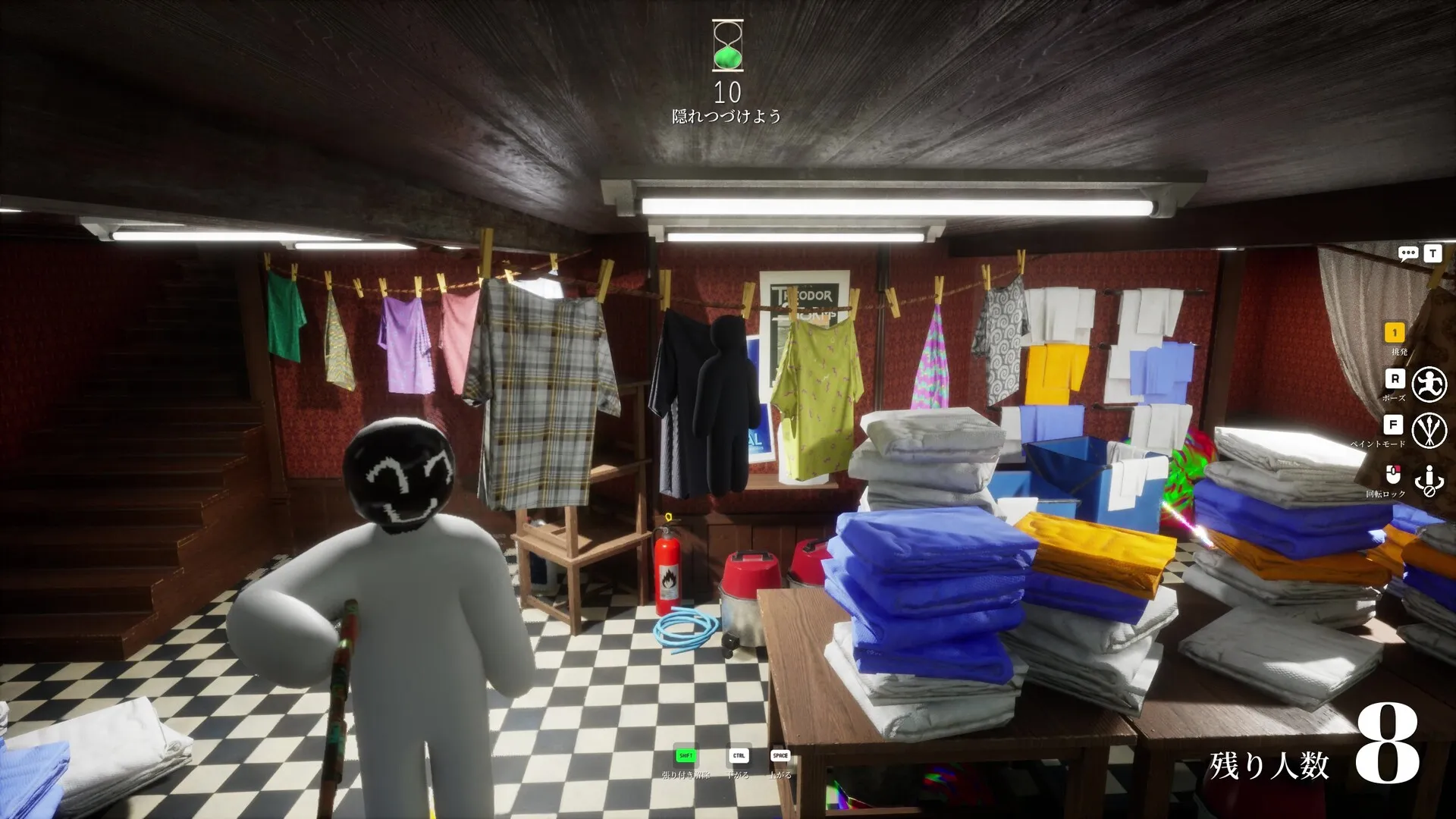
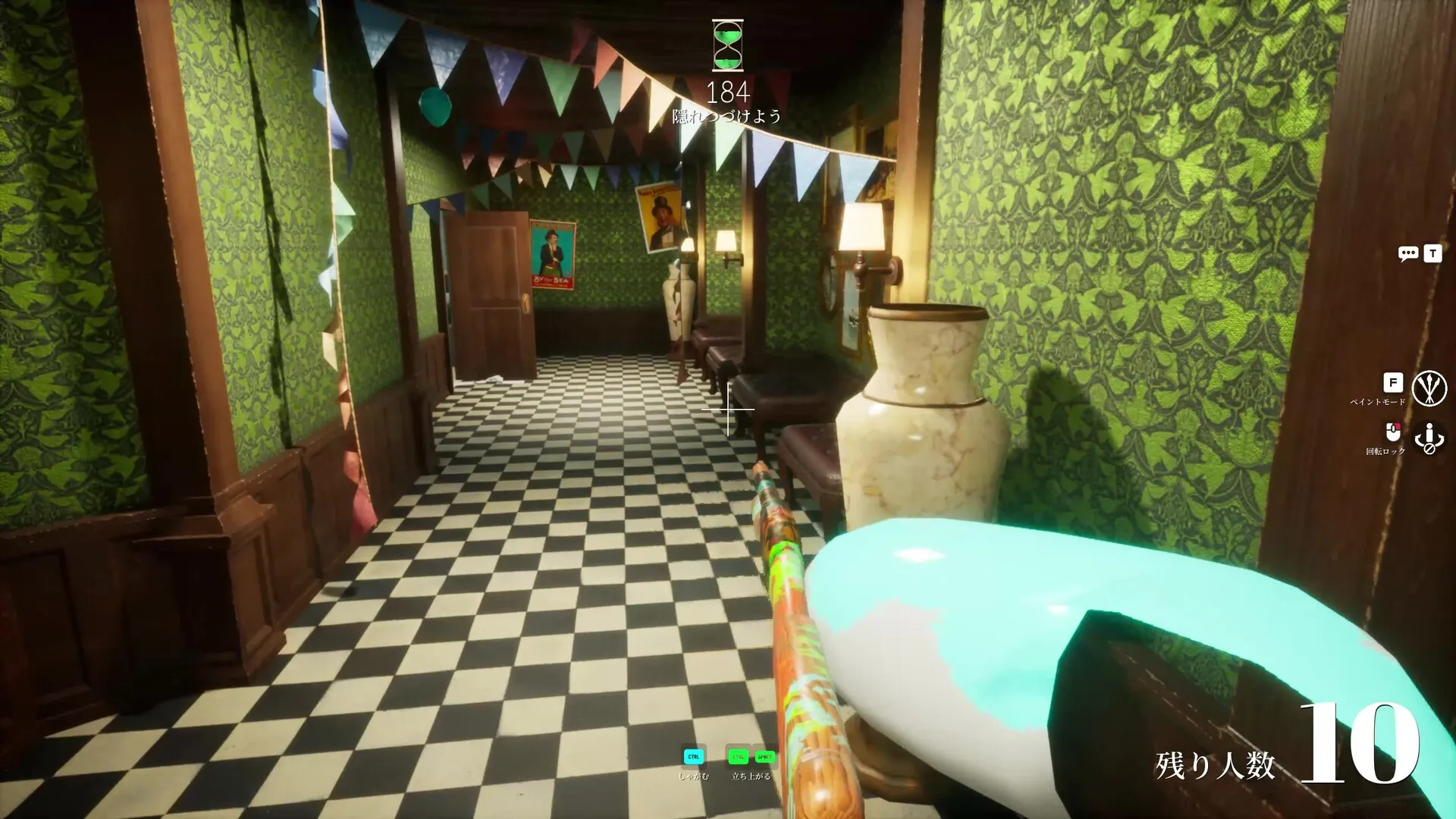
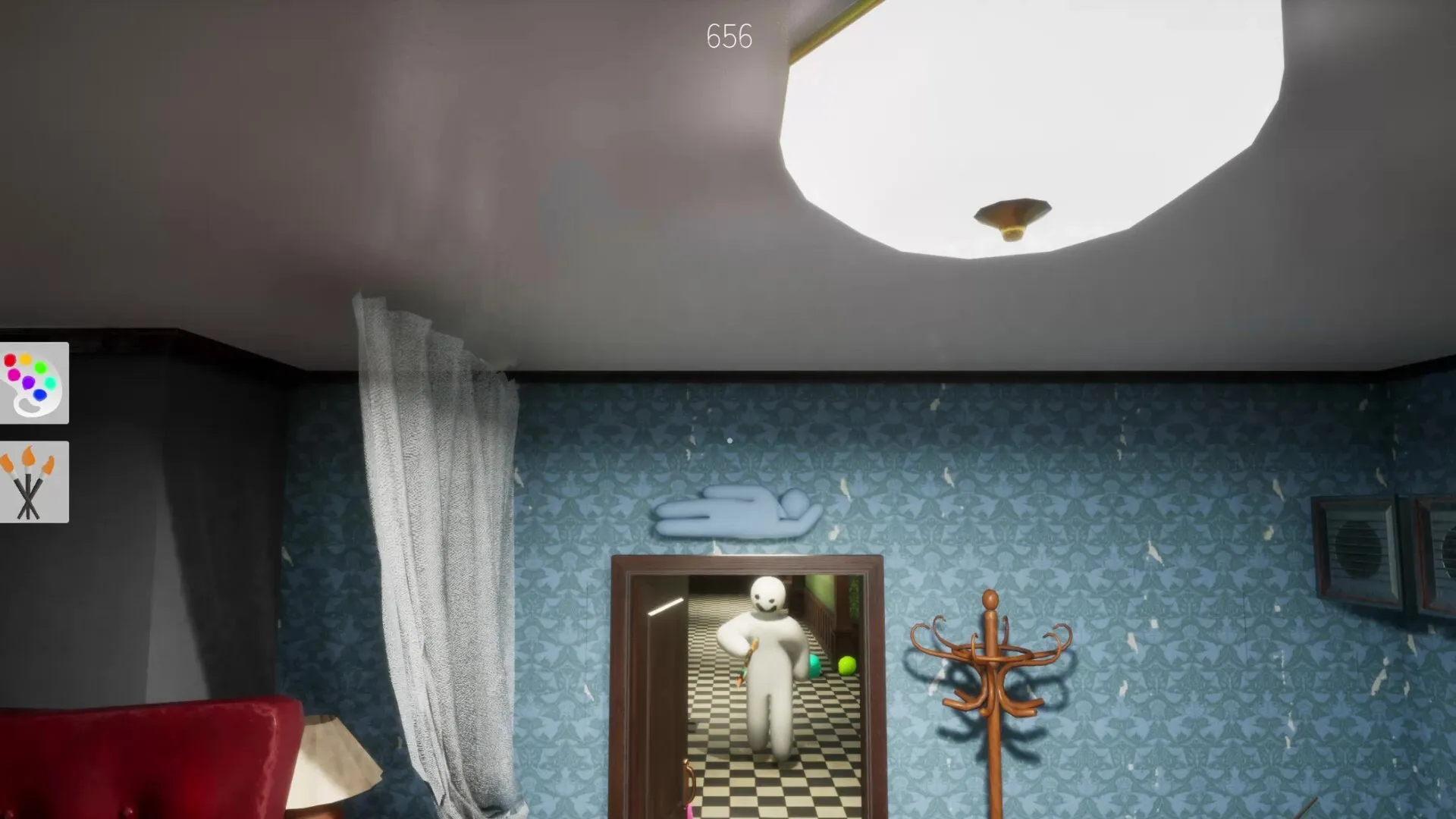
The visual style helps a lot. The game leans into bold colors and exaggerated animation, but it is not just decoration. The look supports the action by keeping hazards readable and routes easy to parse once your brain learns the language of each stage. That becomes important later, because the game does not slow down to explain itself twice.
As an experienced gamer, I appreciate when a title trusts the player to keep up. Meccha Chameleon does exactly that. It introduces a mechanic set, builds on it quickly, and then expects you to adapt. That makes the whole experience feel lively rather than padded.
Core gameplay: speed, timing, and transformation
The best way to describe the gameplay is “tight, expressive platforming with a twist.” You are constantly deciding when to commit and when to pivot. That decision-making is the backbone of the game, and it gives each stage a light puzzle feel without burying the flow. The controls are responsive, which is non-negotiable for a game like this. If a platformer wants to challenge you, the input has to be clean. Meccha Chameleon delivers on that front.
There is also a nice sense of momentum. You can feel when the game wants you to push forward, and you can feel when it is asking you to pause for a second and study the route. That back-and-forth keeps the pacing from growing stale. It is a game that rewards both instinct and observation, which is always a good sign.
What I liked most is that the transformations are not just gimmicks. They change how you approach space. Routes open up differently depending on your state, and that creates replay value without forcing artificial complexity. Once you understand a stage, you can often clear it more efficiently on a second or third attempt, and that is where the game really starts to sing.
Difficulty curve and replay value
Meccha Chameleon starts accessible enough, but it does not remain comfortable for long. Later sections ask for sharper inputs and better route recognition. That is exactly what I want from a game in this lane. It never feels cruel, but it also does not flatten itself into a casual stroll. If you enjoy mastering movement systems, you will find a lot to chew on here.
Replay value comes from performance improvement. Whether you are aiming for cleaner clears, better stage knowledge, or just the satisfaction of shaving down your mistakes, there is strong incentive to revisit levels. It is the kind of game that can quietly turn into a “one more attempt” loop, which is usually a very good sign.
Presentation and sound
Audio in Meccha Chameleon supports the action well. The music keeps energy high without becoming exhausting, and the sound effects do a solid job of reinforcing timing. When a platforming game is built around rapid movement and moment-to-moment judgment, the soundscape matters more than many people realize. Here, it helps the game feel snappy and alive.
The presentation also has a helpful clarity to it. Even though the game has a distinctive style, it avoids visual clutter. That balance matters because too much noise would undercut the precision the game is asking for. Instead, the art direction and gameplay work together, which is exactly what you want from a platformer built around speed and quick adaptation.
Who should play it
If you enjoy platformers that reward pattern recognition, quick reflexes, and repeated improvement, Meccha Chameleon is worth your time. If you like score chasing, stage optimization, or simply mastering a mechanic-driven game, there is plenty here to enjoy. On the other hand, if you want a slow-burn adventure with heavy story focus, this probably is not your ideal pick.
This also feels like the kind of game that will attract people looking for download-worthy indie gems they can revisit in short sessions. It is easy to play in bursts, but it also has enough depth to justify longer runs. That flexibility makes it appealing across different kinds of players and across multiple platforms if and when it is supported.
Any concerns?
My main caution is that the game’s style and speed may not click with everyone immediately. The learning curve is reasonable, but it assumes you enjoy being active rather than passive. If you want immediate hand-holding, you may bounce off it early. Also, because this sort of game lives or dies by control feel, your enjoyment will depend a lot on how well the version you install runs on your hardware.
That said, I would rather deal with a game that asks for commitment than one that waters itself down. Meccha Chameleon knows what it is, and it sticks to that identity with confidence.
Verdict
Meccha Chameleon is a smart, energetic platformer with a distinct hook and a strong sense of rhythm. It blends traversal, timing, and transformation into a package that feels both playful and demanding. The result is a game that respects your skill while still remaining approachable enough to pull in newcomers who want something a little different. It is not trying to be everything. It is trying to be sharp, memorable, and fun to master, and on that score it succeeds.
If you are hunting for a game to play in short bursts or to install and gradually improve at over time, this is a strong recommendation. It has style, it has focus, and it has the kind of mechanical identity that makes a review easy to remember long after you close the game.
How to download Meccha Chameleon
Availability & Launch: Meccha Chameleon can typically be accessed through its official store page or publisher listing, depending on your region and launch status. If it is offered as a free release, the download will be directly available from that platform; otherwise, it will require purchase before you can play.
Platforms: Check the official listing for supported platforms before you download. If it is available on PC, Mac, or Android, you can install it directly from the relevant storefront. If a platform is unsupported, you may need a cloud service or emulator only if an official version does not exist there.
Install: To install, open the official store, search for Meccha Chameleon, choose the correct version for your device, and follow the standard install prompts. After that, launch the game and sign in if required.
System Requirements: Keep your device modestly up to date. For PC or Mac, a recent OS, stable storage space, and a basic modern CPU and GPU should be enough for a lightweight indie title. On Android, a newer device with sufficient free space and current OS support is usually the main requirement.
Cheats / Mods: Cheats and mods are generally only available if the developer supports them or if the PC community has built safe, compatible tools. On closed platforms, mod support is usually limited.
Unblocked Access: If you want to play at school or work, unblocked access depends on the network and device restrictions. Browser-based access is rare for this type of game, so most players will need an allowed installation or an approved platform to launch it.
Pros

- Responsive controls that make the platforming feel precise and fair.
- Distinct transformation mechanic that adds strategy to movement and stage navigation.
- Fast-paced level design that keeps the gameplay engaging and replayable.
- Strong visual identity with bold colors and clear hazard readability.
- Well-balanced difficulty curve that rewards practice without feeling unfair.
- Good replay value for players who enjoy optimizing routes and improving performance.
Cons

- The speed and mechanics may not click immediately for players who prefer slower games.
- Limited appeal for anyone looking for a story-heavy or narrative-driven experience.
- Performance and feel can depend on the platform and how well the game runs on your device.