

Read the Best Reviews
Need a critic’s eye for your entertainment choices?





be the first to read
The Latest Posts from our blog

- Galactic Tactics Reborn: Transforming Digital Strategy into Tabletop Warfare 5 days ago
In a realm where nostalgic passion meets modern tabletop innovation, enthusiasts can now witness the iconic universe of a classic space strategy game reimagined for miniatures warfare. This fresh adaptation invites players not just to recall their digital conquests but to physically command intricate armies across dynamic, evolving battlefields. Every piece and card encapsulates a deep heritage of design and strategy while layering new twists that keep each match engaging from start to finish. The game beckons both veterans of the original franchise and newcomers to immerse themselves in a tactical experience where quick decision-making and strategic resource management are keys to success.
Battlefield Beginnings
The game launches players into scenarios that feel like a homage to the classic digital confrontations but with the tactile charm of tabletop play. All matches are structured to span five rounds, with players selecting mission types and deployment zones through an innovative drafting mechanism. This system not only ensures that no two games are ever alike but also forces each participant to adapt Dynamically—rather than relying on preset configurations— scenarios from a rulebook, every match begins with both sides offering choices, setting the stage for unpredictable yet balanced skirmishes. The element of surprise is heightened as both armies must navigate a battlefield crafted to challenge ideal strategies, adding a refreshing layer of depth to every engagement.
Mechanics of Engagement
The design introduces alternative activation phases, meaning players remain active and involved throughout nearly every moment Original: "of the game. Rather than waiting for a" Rewritten: "of the match. Instead of sitting around for an opportunity" full turn cycle before taking part again, actions like deployment, movement, and combat are interleaved seamlessly. This ensures that prolonged downtimes are a thing of the past, and every player feels continuously engaged. The method of activation is reminiscent of dynamic duty cycles seen in fast-paced digital experiences, translating into a more immersive tabletop format. Players experience a constant rhythm of anticipation and action that mirrors the intensity of real-time strategy gameplay. Such a system encourages strategic thinking and swift adjustments, keeping the energy level high at the table.
Tactical Diversity Through Customization
The game systems embrace the idea of choice through a card-based drafting mechanism that influences army composition and battlefield tactics. Players begin by selecting Faction cards that not only outline the number of units they can deploy but also impose unique faction-specific tags and abilities. These factions can affect the types of Tactical cards available, representing everything from buildings to special upgrades "that can reverse the course of combat. This magnitude of" customization enables players to tailor their strategies such that no two armies are alike. The constant decision-making about which unit slots to prioritize or which cards to invest in feels organic and layered, ultimately fostering a gameplay environment where foresight and adaptation are rewarded.
Visual and Aesthetic Brilliance
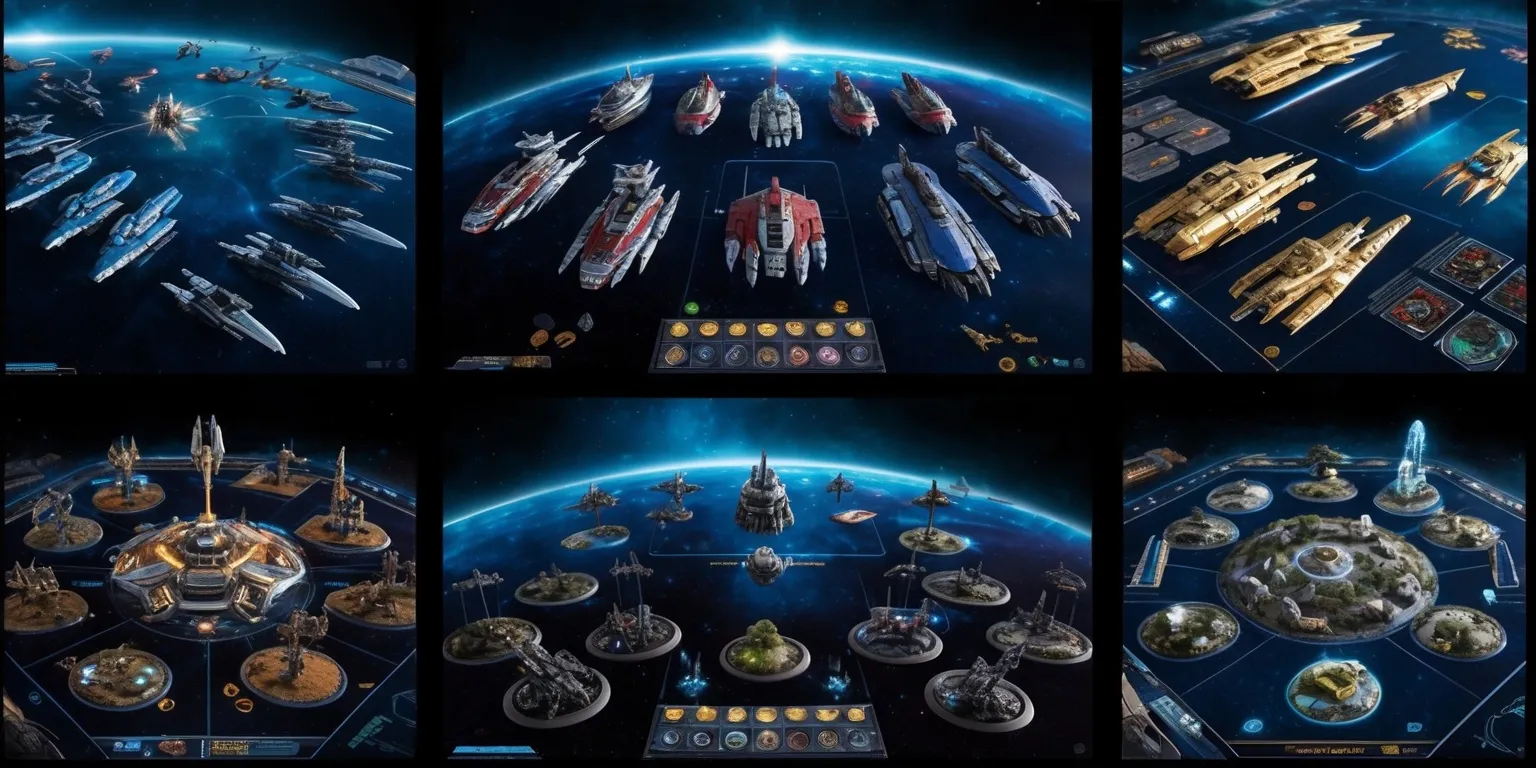
The visual appeal of each mini is an undeniable highlight. Every race is represented by distinct, purposefully chosen color palettes and semi-transparent accents that enhance their visual storytelling. Terrans feature muted blue tones accented with bursts of orange and green effects, while the Zerg boast a striking pinkish-purple look that immediately sets them apart. The Protoss, with their vibrant yellows coupled with blue energy accents, evoke the futuristic and sophisticated nature of their kind. This attention to detail extends to smaller components, such as the translucent Pylon miniatures that incorporate a clear blue crystal. Even simple primer applications can bring out the intricacy of each model, making the game not Not merely a contest of tactical maneuvers but also an exposition of strategic mastery showcase of miniature artistry.
Dynamic Deployment Systems
One element that truly distinguishes the gameplay is the… methodical and dynamic deployment of units from a reserve pool rather than a full-field deployment at the outset. The game limits the number of units on the battlefield based on the chosen mission, employing a supply system that evolves with each round. As rounds progress, the allowed supply value increases, gradually phasing in stronger and more numerous forces at an opportune pace. This gradual build-up not only prevents early missteps from having an insurmountable impact on long-term strategy but also forces players to rethink their tactics mid-game. The approach is reminiscent of an evolving campaign, where every round offers the opportunity for a strategic recalibration and tactical advantage based on newly deployed reinforcements.
Integration of Card-Based Warfare
Cards play a central role in dictating the flow and strategic depth of the game, working in tandem with the miniatures to create a hybrid of tactical board gaming and traditional miniature battles. Prior to the game, players choose from a wide range of Tactical and Faction cards that define the abilities and limitations of their forces. These cards encapsulate information regarding core units, elite troops, and even heroic figures drawn from the well-known legacy of the universe. Tactical cards, often representing buildings or special abilities, introduce layers of strategy that can span both defensive and offensive maneuvers during the match. With every card choice carrying both benefits and potential drawbacks, players must plan meticulously, balancing short-term gains against the longer campaign of conflict.
The Pulse of Rapid Combat
Engagements in this miniature war game are driven by a series of intuitive actions that simulate the high-tension skirmishes of real-time strategy battles. Movement across the tabletop is measured precisely, maintaining an element of physical engagement and tactical spacing. Once units come into contact, the combat phase utilizes a blend of dice rolling and surge mechanics that adds both randomness and strategy. Certain weapons come with designated surge types that allow them to overcome specific defenses when facing adversaries with matching attributes. This creates a layered combat scenario where strategic unit placement and type advantage are critical. The tactile experience of measuring movement, rolling dice, and calculating outcomes inadvertently mirrors the strategic complexity of digital battles, creating an immersive experience that challenges every player’s tactical acumen.
Shifting Strategies and Adaptive Tactics
One compelling aspect of the game lies in the fluid nature of the strategy as the match evolves round by round. With the introduction of a supply limit that resets and gradually increases, players are encouraged to approach each round not with rigid, predetermined moves, but with adaptability and foresight. The absence of a pre-set deployment order until units leave reserve makes early decisions provisional and open to change. This dynamic shift in strategy is reminiscent of rapidly changing battlefield conditions seen in strategic computer simulations. It drives home the importance of flexibility, as the requirement for fresh tactics often becomes apparent in the unfolding rounds. Players must consistently assess the battlefield situation, adjust their resources, and leverage the changing supply dynamics to outmaneuver their opponents.
Engagement with Iconic Characters
The game thoughtfully incorporates beloved characters and factions from the celebrated universe, giving players the opportunity to rally iconic heroes and commanders to their cause. Figures such as distinguished heroes from the Terran and Protoss sides are featured with special cards that deploy unique abilities and synergies. These key figures are more than just tokens; they provide strategic advantages that can decisively impact battles when used at the right moment. This choice reinforces not only a sense of nostalgia but also strategic depth by making every hero selection a critical aspect of overall gameplay planning. The presence of these characters bridges the gap between a digital legacy and its miniature manifestation, offering devoted fans a tactile, strategic connection to the lore and heritage of the classic space saga.
Balanced Risk and Reward in Combat
Within every engagement, Consider using: "the interplay between inherent risks and anticipated rewards has been" finely tuned to captivate and challenge seasoned gamesters. Combat is orchestrated through a careful negotiation of offensive surges and defensive maneuvers. The design of the surge mechanic ensures that aligning one’s attacking units against appropriately tagged defensive forces can significantly tilt the battleground in favor of a well-planned strike. This rock-paper-scissors element gives a palpable weight to every unit's positioning and engagement decision. The ongoing interplay between the chosen tactical cards, unit types, and surge effects creates an environment where each roll of the dice carries both opportunity and consequence. Such mechanisms force players to constantly calculate the potential yield of high-risk maneuvers versus conservative, methodical plays, thereby enriching the overall strategic landscape.
Economic Considerations and Value
Although the game delivers a deeply engaging strategic experience, and intricate gameplay systems, it also carries inherent economic considerations that mirror broader trends in the miniature gaming hobby. The initial entry kit, featuring a couple of armies, is priced at a premium, and acquiring additional sets or specialized miniatures represents a further investment. Despite the stimulating strategic gameplay and visual quality, such pricing may present a barrier for some enthusiasts. However, the design team's decision to provide the full rulebook for free, along with a browser application containing all necessary card details, helps alleviate some of the initial costs. This approach reflects an adaptive strategy in game distribution, aiming to balance quality production with accessibility, thereby appealing to both dedicated Devoted collectors and casual gamers in search of top-tier quality yet engaging tabletop experience.
![img]()
- From Dominus to Kratos: How a Joke and a Rediscovered Note Forged a Gaming Legend 5 days ago
This article delves into an interesting piece of game development history surrounding the iconic character from an acclaimed action series. Early in production, the lead character almost carried an entirely different name influenced by a humorous recurring joke during brainstorming sessions.
The character, now known worldwide, was initially set to be called Dominus. The original choice was intended to convey strength and authority, yet it inadvertently echoed the identity of a well-known pizza chain. The creative team at the studio could not stop referencing the pizza slogan every time the name surfaced, and the continuous humor eventually led the team to abandon the idea.
Following the relentless banter, the studio opted for a fresh approach. A list of ancient Greek names was compiled, and several options were evaluated carefully. Some selections, including examples such as Julius, Parthenius, and Maksym, were considered but ultimately did not capture the perfect essence for the character. It was through the insight of a marketing lead that the name Kratos was suggested, a choice that resonated with the team and was ultimately embraced.
Further reflecting on the process, it became clear that fate and chance played significant roles in finalizing the character's identity. A hidden note resurfaced from earlier design documents, reiterating the name that was destined to be used. The serendipitous nature of this discovery highlighted how a combination of timing, creative flair, and marketing insight can shape a legacy in video games.
Since its launch on a popular gaming console back in 2005, the series has evolved into a major franchise with enduring success over two decades. The next installment is scheduled to release on a new generation console in early 2027, and an additional untitled game featuring the enduring protagonist is reportedly in development.
- The original name, Dominus, was abandoned due to ongoing humorous remarks.
- A selection process involved evaluating ancient Greek names, culminating in the choice of Kratos.
- An unexpected rediscovery of notes confirmed the destined name.
- The franchise has seen continuous growth over the years with upcoming titles soon to be unveiled.
![img]()
- Reviving the Ring: The Return of an Iconic Boxing Legacy 5 days ago
An exciting development has emerged in the realm of boxing simulation video games. A cherished franchise known for its realistic boxing experience is set to make a comeback, reawakening the enthusiasm of longtime fans.
Electronic Arts has recently reactivated its social media presence for the classic series, offering a subtle yet clear message to supporters that a new chapter is on the horizon. The initial announcement conveyed a promise of revival that resonates deeply with its dedicated community.
The post featured striking imagery: a pair of boxing gloves suspended above an arena, reinforcing the idea that the spirit of the sport endures. While details remain scarce, the creative team behind To date, the project is still under wraps. It is uncertain whether the upcoming release will be a completely fresh installment, a remaster, or even a modern reinterpretation, although many lean toward expecting a brand-new entry.
- The announcement leaves room for anticipation regarding the development team involved.
- The project’s technical target and release timeline are unconfirmed at this moment.
- A look back at the series evokes memories of stunning visuals and immersive gameplay from the high-definition era.
As discussions continue and speculations grow, the revival of this boxing simulation series is being welcomed by many gamers. The news reinvigorates nostalgic recollections and sparks dreams of future battles in the virtual arena.
![img]()
- Haunted Legacies: Unraveling the Mystery of Silent Hill Townfall 2 weeks ago
Venturing into the somber world of Silent Hill Townfall invites players into an eerie haven laden with atmospheric dread and intricate storytelling. The game unfolds on a historic Scottish island where mystery and despair entwine, and long-forgotten legends echo through fog-laden streets. With its compelling narrative and immersive puzzle design, players assume the role of Simon, whose journey in a haunting town shrouded in mist and secrets propels him into a realm of both captivating beauty and dark enigmas. This odyssey through a region marked by tension and concealed peril challenges players to navigate treacherous puzzles and unravel narrative threads, where each step forward deepens the bond between atmosphere, gameplay, and immersive story.
Haunted Origins and Storyline Depth
The narrative foundation of Silent Hill Townfall sets a stage where ancient lore collides with modern disquiet. The story follows Simon as he confronts a series of unnerving disturbances in St. Amelia, a quaint Scottish town enveloped by a supernatural fog. Every corner of the town seems to hide a relic of the past, and the interconnected mysteries are interlaced with local legends and eerie myths. The storyline is unhurried yet layered with complexity, inviting players to uncover subtle narrative clues tucked away in unexpected details. This weaving of heritage and haunting phenomena creates narrative depth that entices players to reexamine each discovery and piece together the town’s cryptic past.
Engaging Mechanics and Interactive Gameplay
Gameplay in Silent Hill Townfall combines atmospheric exploration with well-integrated interactive elements that enrich the player experience. The mechanics are thoughtfully designed so that every step through the foggy streets of St. Amelia surprises the player with innovative challenges. Simon faces puzzles that require not just logical problem-solving but also intuition enhanced by the game’s immersive environment. There is a fluid progression system where exploration leads to unlocking hidden interactions and secret areas. This encourages a deliberate pace in examining every detail. In addition to traditional exploration, the game integrates dynamic elements that respond to the player’s decisions, ensuring that each playthrough retains a fresh sense of discovery while remaining challenging and engaging throughout.
Immersive Aesthetics and Audio Design
The visual and sound design of Silent Hill Townfall plays a critical role in evoking a mood of isolation and uncanny suspense. Detailed character models, weathered architecture, and layered textures They unite to forge an ambiance imbued with a deep sense of melancholy and beautifully desolate. The audio landscape, featuring haunting melodies and ambient whispers, reinforces the sense of unease that permeates every scene. Soft echoes in deserted alleys and the rustling of leaves intersect with the digital composition to provide a living, breathing world. Every element of the aesthetic is meticulously crafted to support the narrative, creating a detailed soundscape and visual environment that brings the haunted legacy of St. Amelia vividly to life.
Complex Puzzle Design and Enigmatic Challenges
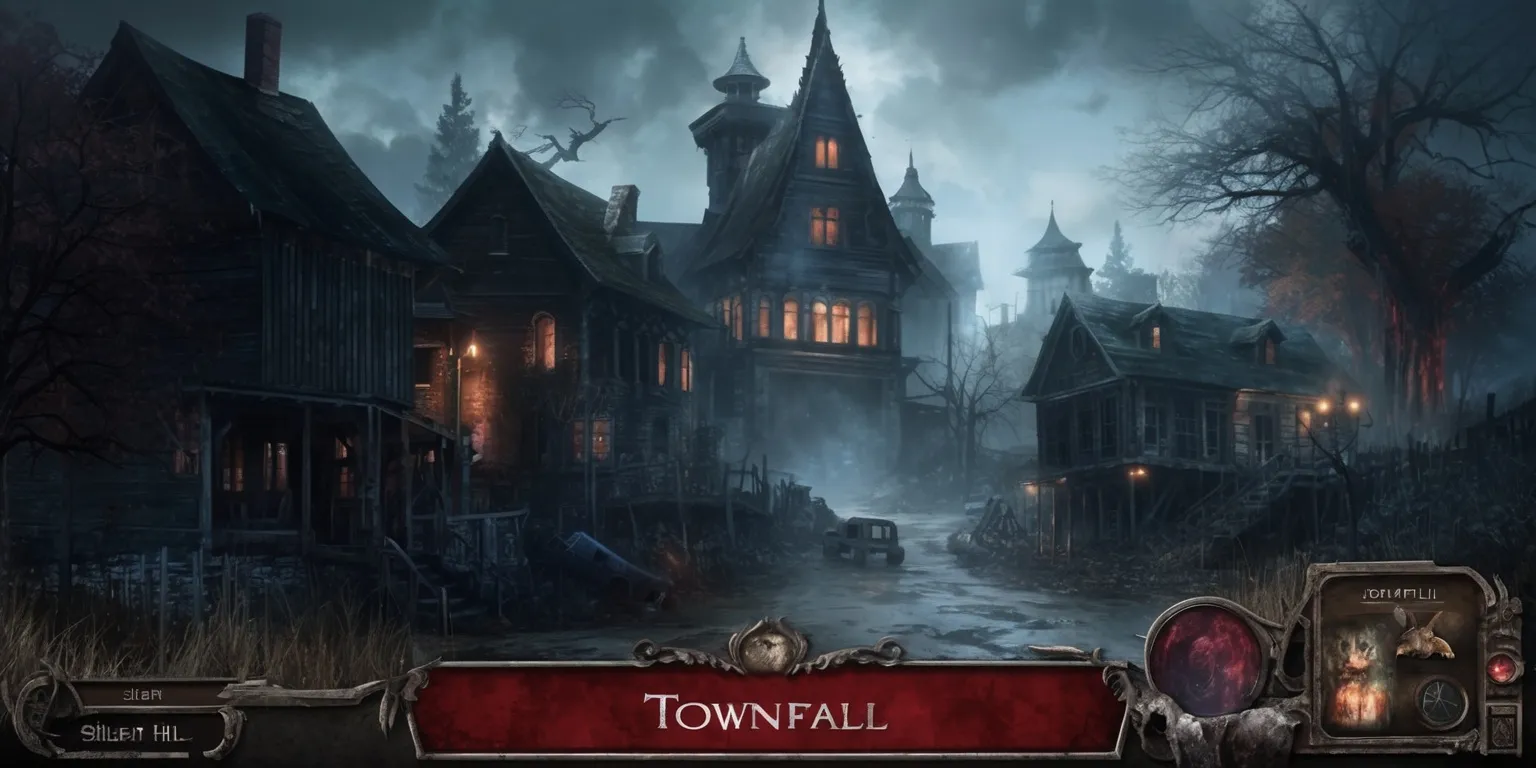
Puzzles in Silent Hill Townfall They function not merely as hindrances, but also as forces that drive the storyline devices that encourage deep engagement with the story. Each conundrum is cleverly integrated into the game’s environment, often tied to historical details or mystical artifacts scattered throughout St. Amelia. The challenges require thoughtful observation of the surroundings and provide a balance between challenge and satisfaction. Through trial and error, players are rewarded with narrative fragments that hint at larger, more intricate mysteries. The puzzle design honors a legacy of subtle game challenges while integrating modern twists that keep the experience perceptibly fresh. This blend ensures that no two puzzles feel repetitive, demanding both creativity and persistence from those exploring this enigmatic landscape.
Atmospheric Setting and Environmental Detail
The game’s setting in a remote and fog-engulfed Scottish town infuses Silent Hill Townfall with an unparalleled atmospheric quality. From the cobblestone paths to the crumbling ruins and scattered relics of bygone eras, the environment is depicted with a surprising fidelity that enhances the immersive experience. Every building and narrow lane holds secrets, and the interplay of natural elements with urban decay amplifies the sense of foreboding. The ambient fog functions not merely as an optical obstruction but also serves other purposes also adds a layer of uncertainty to each exploration, blurring both physical and temporal boundaries. This careful attention to environmental detail compels players to continuously wonder about what awaits beyond the next threshold turn, fostering a persistent sense of quiet dread and anticipation.
Subtle Character Development and Emotional Undercurrents
At the core of Silent Hill Townfall lies Simon, whose journey is marked by both external trials and internal transformation. The character’s development unfolds gradually, revealing layers of personal history and vulnerability that resonate with the game’s themes of mystery and loss. Interactions with the spectral inhabitants of St. Amelia add emotional depth to his quest, creating a reflective mirror to the town’s faded glory and hidden sorrows. The narrative provides moments for introspection, using environmental storytelling and carefully scripted encounters to reveal facets of Simon’s personality. This thoughtful portrayal not only adds complexity to his role but also allows players to empathize with his plight, enriching the overall narrative experience with subtle emotional undercurrents.
Innovative Systems and In-Game Mechanics
Silent Hill Townfall incorporates sophisticated systems that reward exploration and repeat play. One such feature, the New Game Plus mode, unlocks additional content and varied narrative outcomes for players who venture beyond their initial playthrough. This mode introduces alternative conditions and hidden scenarios, allowing the experienced player to explore different facets of the game’s universe. The integration of collectibles and environmental cues is strategically designed to promote thorough exploration and to stimulate curiosity. While the mechanics appear traditional at first glance, they are layered with new functionalities that continuously unveil fresh challenges. These innovative systems encourage tactical decision-making and contribute unmistakably to the rich, evolving tapestry of the game’s mysterious world.
Interactive Guides and Problem-Solving Aids
The game offers substantial support for players via interactive guides that bolster the sense of adventure while ensuring that no challenge remains insurmountable. Throughout the journey, players have access to a comprehensive collection of walkthroughs detailing each segment—from the prologue to the concluding parts of the game narrative. These guides provide insights into puzzle solutions, navigational strategies, and hints that illuminate obscure narrative elements. Designed not to overshadow the discovery process, the tips and tricks subtly assist players in navigating complex areas without stripping the satisfaction of solving them independently. This balance between guidance and exploration enriches the gameplay experience and proves to Serve as a critical resource for both novices and seasoned experts veterans aiming to uncover every secret the haunted town has to offer.
Dynamic Pacing and Multi-Part Structure
The structure of Silent Hill Townfall is segmented into a prologue and six distinct parts, creating a layered narrative progression that mirrors its thematic complexity. Each segment introduces fresh elements that build upon the previous mysteries, gradually escalating the stakes while broadening the scope of the world. This deliberate division allows for measurable bursts of tension interspersed with quieter moments of reflection and puzzle-solving. The multi-part structure not only heightens anticipation for what comes next but also provides players with periodic intervals to absorb and engage with the evolving storyline. As each part unfolds, it contributes additional dimensions to the lore, ensuring that the narrative remains intricate and the experience consistently engaging. The pacing is intricately calibrated to keep players both invested and intrigued at every turn.
Unique Visual Storytelling and Symbolism
The aesthetics of Silent Hill Townfall are imbued with symbolism that transcends mere visual appeal. Iconic imagery—from the creeping fog to the decaying edifices—serves as a metaphorical representation of the town's internal struggles and layered history. Each visual element is meticulously curated to provoke thought; subtle cues invite the player to reflect on Motifs of seclusion, recollection, and time's steady progression time. The interplay of light and shadow, in particular, conveys emotions that words cannot fully encapsulate, transforming the environment into a canvas that tells its own tale. Symbolic motifs are interwoven through both architecture and natural landscapes, urging players to look deeper than the surface. This form of visual storytelling enriches the game experience and creates a lasting impact that lingers long after each session.
Varied Exploration Techniques and Adaptive Strategies
Silent Hill Townfall challenges players to adapt their exploration style as they navigate through its labyrinthine environments and intricate puzzles. The game is designed with multiple layers of interaction that demand meticulous long-term planning as well as impromptu decision-making. The use of scattered collectibles, hidden narratives, and environmental obstacles encourages experimentation and rewards adaptive tactics. Players must often reassess their approach when transitioning between the atmospheric exteriors and more claustrophobic indoor settings. The diverse range of challenges ensures that no single method of progression feels stale or monotonous. By integrating varying scales of interaction, the game nurtures an immersive experience where exploration continually demands ingenuity. This variety in exploration techniques subsequently fosters an engaging and multifaceted gameplay environment that is both challenging and rewarding.
![img]()










Game Reviews
Id posuere maecenas pulvinar elit. Faucibus neque non blandit pellentesque et massa amet.
 Age of Wonders 4 View full review



Hear from our users

Amazing experience I love it a lot. Thanks to the team that makes dreams come true, great! Ireally appreciate their professional approach

Leon Rivera
Art Director
As a passionate gamer actively exploring new games and applications, kingstone-glass.com has been a monumental help. The website offers comprehensive, detailed, and unbiased reviews of both games and applications that have helped me tremendously in terms of decision-making. The in-depth analysis of each game's gameplay, graphics, sound, storyline, controls, and overall performance given by the website saved me from investing in unworthy games and led me to discover hidden gems in the gaming world.

Vusal Kadely
Passionate Gamer
The site's layout is user-friendly and easy to navigate, and the reviews are organized into various categories and genres, which makes finding the content that I’m interested in remarkably simple. Also, the search feature is efficient in quickly bringing up the reviews of specific games or applications.

Ikeem
Designer
I often find it hard to pick the best apps and games due to the overwhelming number of options. But thanks to this site, that problem is a thing of the past. It has saved me countless hours and copious amounts of money that I could have potentially wasted on disappointing apps or games.

Mert Patino
Engineer
