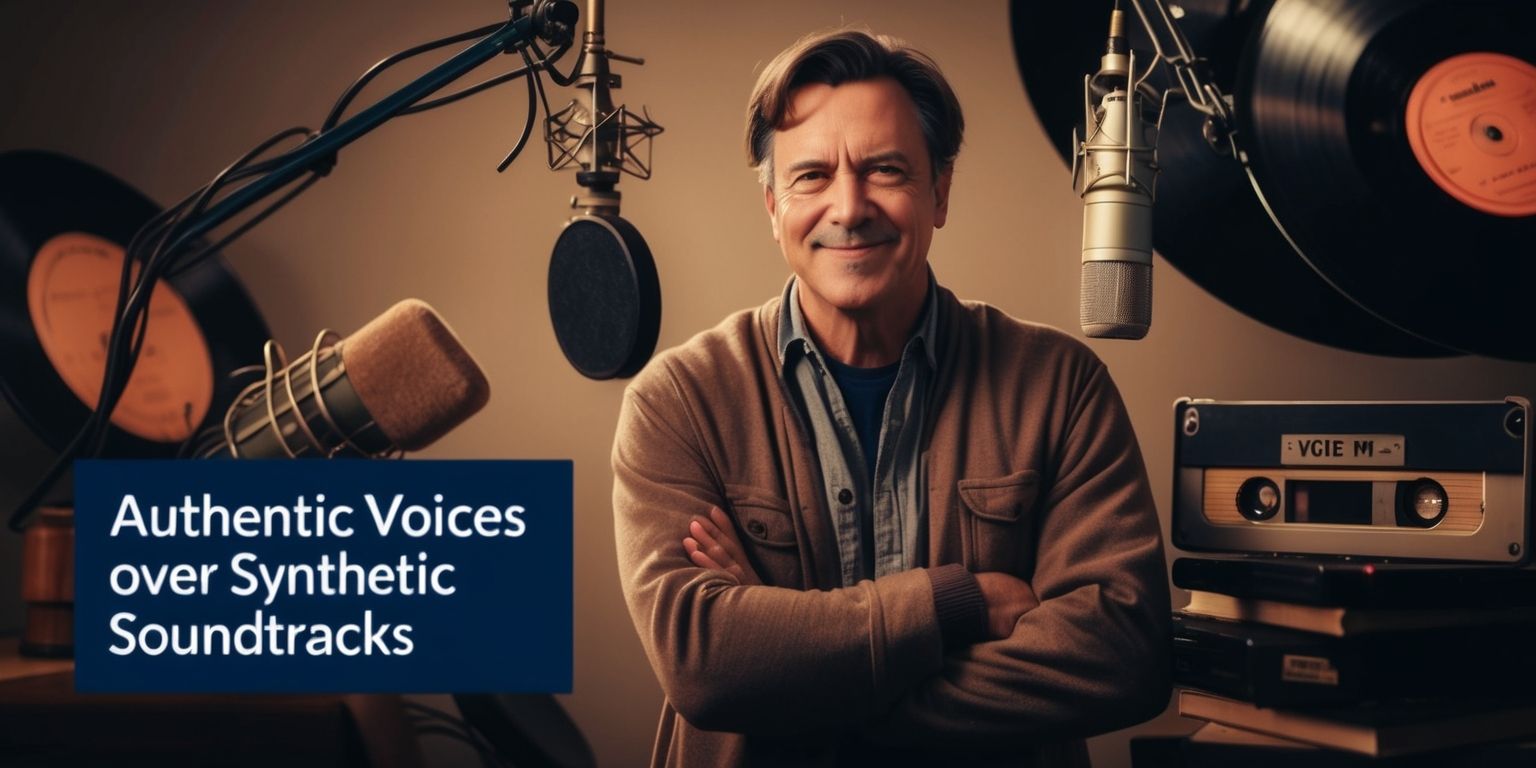
An experienced voice actor involved in prominent game franchises recently voiced his strong concerns about the growing reliance on computer-generated voice performances. His remarks come at a time when many contemporary games, which often rely on powerful voiceovers to enhance narrative depth, are increasingly experimenting with automated solutions. These concerns highlight potential risks not only to the immersive quality of a game’s storytelling but also to the livelihood of professional performers.
He argued that the relatively minor expense of recording genuine voice lines, when compared to the overall development budget of a game, does not justify replacing human talent with synthetic imitations. In his view, using algorithms to replicate natural vocal expressions undermines both artistic integrity and job security. He emphasized that opting for non-traditional recording methods in favor of artificially generated voices is problematic on several important levels.
The actor detailed his perspective by outlining key issues associated with this trend:
- The low cost of authentic voice recording makes the replacement of human voices unnecessary.
- Relying on algorithm-produced voices poses a threat to professional employment opportunities in the industry.
- Artificially generated dialogue often lacks the natural cadence and emotional resonance needed to fully engage players during intense moments.
- Even when the technical quality seems acceptable, there remains an unmistakable disconnect that disrupts the immersive experience.
Many within the voice acting community and among gamers have expressed similar reservations, noting that the use of generative technology in voice work frequently leads to performances that feel scored by emotionless computation rather than by genuine human experience. As developers continue to experiment with these innovative techniques, the future for performers remains both unpredictable and unsettling.