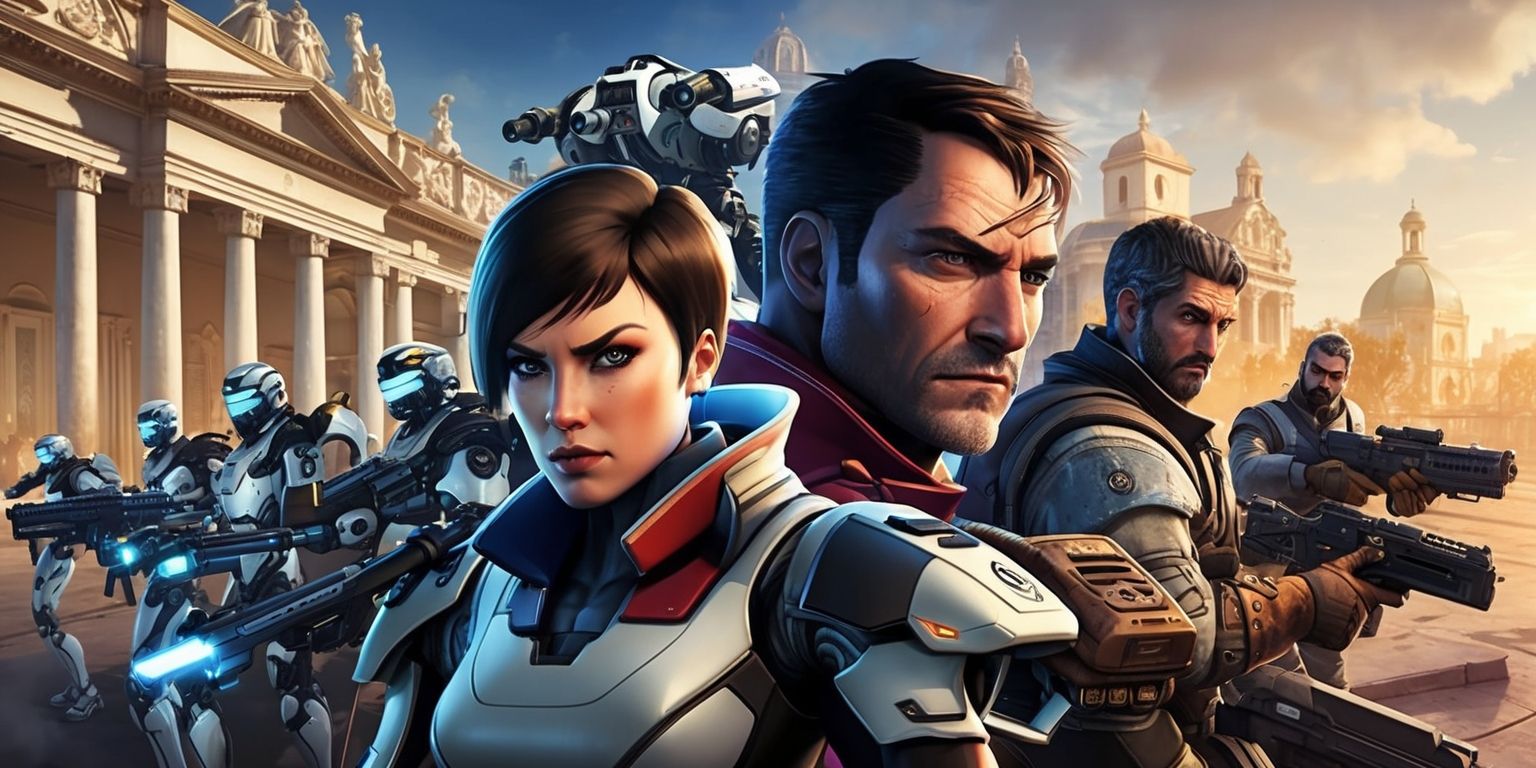
The excitement permeating the mobile gaming community has Attained unprecedented heights upon the arrival of a beloved first-person shooter reimagined for handheld devices. This new adaptation of a well-known franchise Calls on veteran gamers and fresh faces alike to delve into its innovative top-down, third-person view while keeping its signature character dynamics intact. With a curated roster of heroes each carving their niche in diverse combat scenarios, the mobile version promises fresh gameplay strategies and an experience that remains true to the original while offering novel mechanics unique to touchscreen controls. The evolution of this shooter hints at expansive future developments, advanced control interfaces, and a focus on deep character customization.
Exploring the Transition to Mobile Gameplay
The game’s transition to a mobile format introduces a refined spatial perspective in the form of a top-down third-person view. This shift alters traditional gameplay by emphasizing strategic positioning and movement management on smaller screens. Players are required to adapt their reflexes and decision-making processes to navigate a vibrant battleground optimized for touch input. The design meticulously preserves the core combat intensity and fluidity of the original shooter while integrating new control mechanics suited for mobile interfaces. The interplay between familiar mechanics and reimagined spatial strategies creates an immersive experience, where tactics and quick adaptation become essential for triumph. The mobile version challenges players to rethink methods, demonstrating a thoughtful redesign that caters to on-the-go competitiveness.
Diverse Hero Roster and Their Unique Attributes
The current roster in this mobile edition features an array of heroes, each with distinct combat roles and skill sets. Reinhardt leads as a Vanguard with close-range power, offering heavy defense and impactful melee swings that resonate through the gameplay. Soldier:76 steps in as a Fighter with an emphasis on long-range operations, delivering precise tactical bursts. Tracer, celebrated for her swift maneuvers, embodies quick strikes at close range, while Kiriko supports with a medium-range utility approach paired with specialized abilities. Additionally, Lucio presents a long-range support role, blending agility with healing and energizing skills, and Mercy reinforces the healing lineup with short-range expertise. This vibrant mix of abilities and combat styles sets the stage for a dynamic in-game experience that rewards strategic selection and teamwork.
Strategic Depth and Tactical Engagement
Central to the game is a rich tapestry of strategies that empower players to tailor their in-game tactics. Each hero’s role, be it as a resilient Vanguard, a nimble Assassin, or a versatile Utility specialist, offers fresh combat strategies depending on the chosen play style. The balance of short, medium, and long-range capabilities necessitates a careful assembly of teams to counter the enemy forces effectively. As players engage in fast-paced skirmishes, the environment rewards diverse approaches—from aggressive front-line pushes to calculated repositioning on the battlefield. The development team has ensured that every hero is integrated with unique strengths that must be harnessed in unison with teammates, thus presenting a battlefield rich with tactical layers and adaptable combat scenarios that hinge on synergy and precise coordination.
Innovative Role Adaptation and Visual Reimagination

The adaptation of iconic characters into this new mobile ecosystem showcases a sophisticated reimagining of familiar roles with contemporary twists. For instance, the character revered for his shield in the classic edition now wields a more accentuated presence as he maneuvers across a top-down arena. Similarly, agile figures like Tracer and Reaper have been refined to mirror their lightning-fast nature through enhanced responsiveness and fluid animations. The rebalancing of roles and the introduction of touchscreen-responsive actions have rejuvenated each hero's play style. Every motion and special ability is recalibrated to maintain a delicate equilibrium between action intensity and strategic maneuvering. This thoughtful evolution not only respects the heritage of the original lineup but also anticipates modern gameplay trends, combining nostalgia with the forefront of mobile innovation.
Artistic Direction and Aesthetic Brilliance
The game’s visuals evoke an unmistakable appeal that harmonizes vibrant colors, smooth animations, and meticulously designed character models. The transformation into a mobile platform has not diluted the signature art style; instead, it accentuates the dynamic environments and visually compelling backdrops in new and exciting ways. Each hero is brought to life with finely honed details that reflect both their personality and combat role. Animated effects during abilities—like the sweeping motion of Reinhardt's powerful swings or the rapid dashes of Tracer—are rendered in a style that emphasizes clarity and fluidity without sacrificing artistic charm. The environmental textures, though optimized for smaller devices, remain richly detailed, ensuring that the game delivers an immersive visual journey that couples traditional artistry with modern digital finesse.
Control Precision and User Interface Innovations
Adapting a renowned shooter to mobile devices demanded a complete rethinking of control schemes, culminating in an interface tailored for touch responsiveness and precise action. The layout strikes a balance between intuitive design and functionality, ensuring a seamless transition for players familiar with console or PC gaming. Quick-access buttons and strategic placement of key commands mean that essential abilities are always within reach during high-octane engagements. Further, the interface is streamlined to showcase essential in-game indicators, such as health levels, ability cooldowns, and map navigation, without overwhelming players on the smaller screen. These innovations not only facilitate smoother gameplay experiences but also imbue every battle with an enhanced sense of immediacy and control. Players are invited to master both their heroes and the interface, a dance of dexterity and strategy that remains central to the mobile experience.
Potential of Upcoming Characters and Future Additions
The roadmap of the game hints at the imminent arrival of additional heroes who promise to expand the already diverse lineup. Among the anticipated additions are characters traditionally known for their supportive and offensive prowess, each carrying unique combat mechanics that promise to shake up the current metagame. For instance, a character endowed with the capacity to generate protective barriers and counteract enemy advances may soon provide strategic depth to defensive gameplay. Likewise, an ambitious fighter equipped with a hand cannon and ground-shaking abilities is set to redefine close-range engagements. Classic figures known for their agility and precision are being reimagined to fit into this mobile format, ensuring that every new addition not only complements the existing roster but also enhances overall team dynamics. Future updates remain eagerly awaited as a testament to the developer’s commitment to continual evolution.
Assessing the Mobile Adaptation through Comparative Lenses
When comparing the mobile adaptation to its original incarnation, several fundamental shifts become apparent. The transformation Here’s one way to rephrase that segment while retaining its context: "ranging from immersive first-person shooter titles to industry-leading games"-down, third-person style introduces a new layer of strategy not seen before. The restructured camera view alters the way players anticipate enemy actions and manage spatial awareness. However, this shift is underpinned by the retention of core combat roles and hero abilities that longtime fans cherish. The meticulous balancing of these roles underscores the developers' A steadfast dedication to upholding the original's inherent character gameplay while introducing mechanics that cater to a mobile audience. The juxtaposition of traditional and innovative elements suggests a careful crafting of a hybrid experience. This deliberate balance seeks to unify the best aspects of classic gameplay with mobile-friendly adjustments, ensuring that fans remain engaged regardless of platform.
Integration of Tactical Environments and Dynamic Battlefields
The game’s environments have been designed to complement the new visual perspective, emphasizing strategic layouts and interactive elements on the map. Battlefields feature multiple levels of engagement where players must anticipate enemy movements, utilize cover, and leverage environmental obstacles effectively. Each arena is replete with pathways that encourage not only direct confrontations but also flank maneuvers and area control tactics. The dynamic landscapes reflect real-time changes—subtle environmental cues provide players with critical information about enemy positioning or upcoming hazards. This interactivity demands constant vigilance and quick decision-making. Through deliberate architectural choices and interactive design, the game transforms each match into a living, breathing strategic arena where spatial awareness is as vital as the hero’s individual abilities, inviting players to engage in thoughtful, multifaceted combat scenarios.
Reflecting on the Franchise’s Evolution
Looking at this mobile adaptation, it is clear …suggesting that the franchise has been radically reimagined in pursuit Embracing cutting-edge ideas while honoring its heritage. The game does not simply replicate the original mechanics but instead refines and reinterprets them through a modern lens. The integration of mobile-centric controls and a refreshed visual perspective are prime examples of how traditional gameplay can evolve with technological advancements. This approach demonstrates a respect for longstanding fans while also opening the door to new players who may be experiencing the franchise for the first time. Each hero's distinct identity is maintained amid this evolution, and the creators have committed to a design philosophy that balances the original’s high-octane action with accessible, intuitive mechanics suited for the mobile environment.
Nurturing a Fervent Community Spirit
The game thrives on a vibrant community that has long championed the original game’s engaging multiplayer format. In this mobile rendition, community feedback permeates every development stage, from control refinement to interface design. The developers have actively communicated updates and paths forward through detailed developer blogs, fostering a dialogue that ensures players remain invested during early access stages. This collaborative spirit helps shape the evolving hero lineup and overall gameplay dynamics, allowing users to see their ideas and preferences reflected within the game. Such iterative improvements, driven by community consensus, elevate the overall quality and depth of the game. In a sense, every match and every strategic decision become a shared journey, where communal feedback continues to guide ongoing refinements and create a uniquely engaging mobile gaming experience.