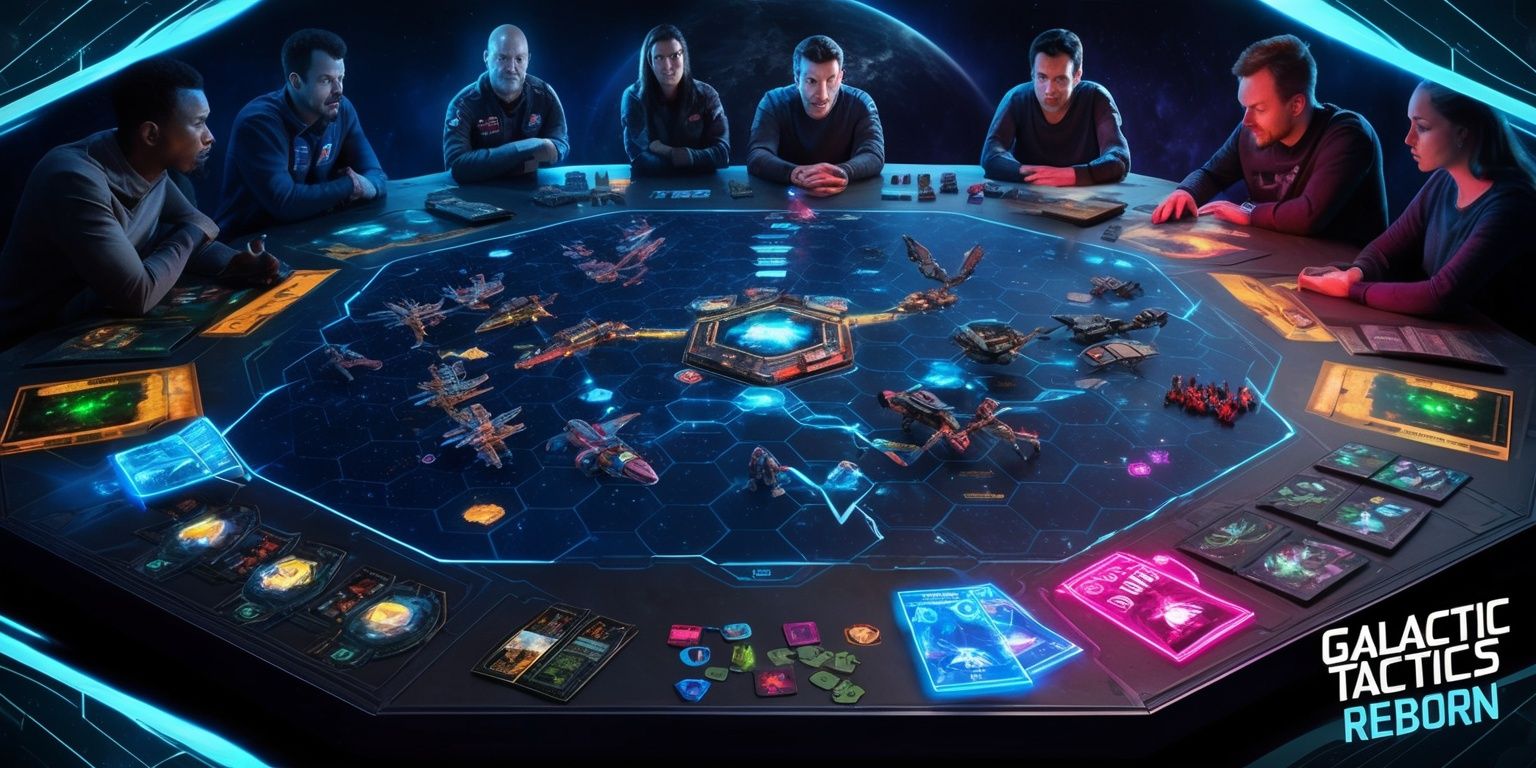
In a realm where nostalgic passion meets modern tabletop innovation, enthusiasts can now witness the iconic universe of a classic space strategy game reimagined for miniatures warfare. This fresh adaptation invites players not just to recall their digital conquests but to physically command intricate armies across dynamic, evolving battlefields. Every piece and card encapsulates a deep heritage of design and strategy while layering new twists that keep each match engaging from start to finish. The game beckons both veterans of the original franchise and newcomers to immerse themselves in a tactical experience where quick decision-making and strategic resource management are keys to success.
Battlefield Beginnings
The game launches players into scenarios that feel like a homage to the classic digital confrontations but with the tactile charm of tabletop play. All matches are structured to span five rounds, with players selecting mission types and deployment zones through an innovative drafting mechanism. This system not only ensures that no two games are ever alike but also forces each participant to adapt Dynamically—rather than relying on preset configurations— scenarios from a rulebook, every match begins with both sides offering choices, setting the stage for unpredictable yet balanced skirmishes. The element of surprise is heightened as both armies must navigate a battlefield crafted to challenge ideal strategies, adding a refreshing layer of depth to every engagement.
Mechanics of Engagement
The design introduces alternative activation phases, meaning players remain active and involved throughout nearly every moment Original: "of the game. Rather than waiting for a" Rewritten: "of the match. Instead of sitting around for an opportunity" full turn cycle before taking part again, actions like deployment, movement, and combat are interleaved seamlessly. This ensures that prolonged downtimes are a thing of the past, and every player feels continuously engaged. The method of activation is reminiscent of dynamic duty cycles seen in fast-paced digital experiences, translating into a more immersive tabletop format. Players experience a constant rhythm of anticipation and action that mirrors the intensity of real-time strategy gameplay. Such a system encourages strategic thinking and swift adjustments, keeping the energy level high at the table.
Tactical Diversity Through Customization
The game systems embrace the idea of choice through a card-based drafting mechanism that influences army composition and battlefield tactics. Players begin by selecting Faction cards that not only outline the number of units they can deploy but also impose unique faction-specific tags and abilities. These factions can affect the types of Tactical cards available, representing everything from buildings to special upgrades "that can reverse the course of combat. This magnitude of" customization enables players to tailor their strategies such that no two armies are alike. The constant decision-making about which unit slots to prioritize or which cards to invest in feels organic and layered, ultimately fostering a gameplay environment where foresight and adaptation are rewarded.
Visual and Aesthetic Brilliance
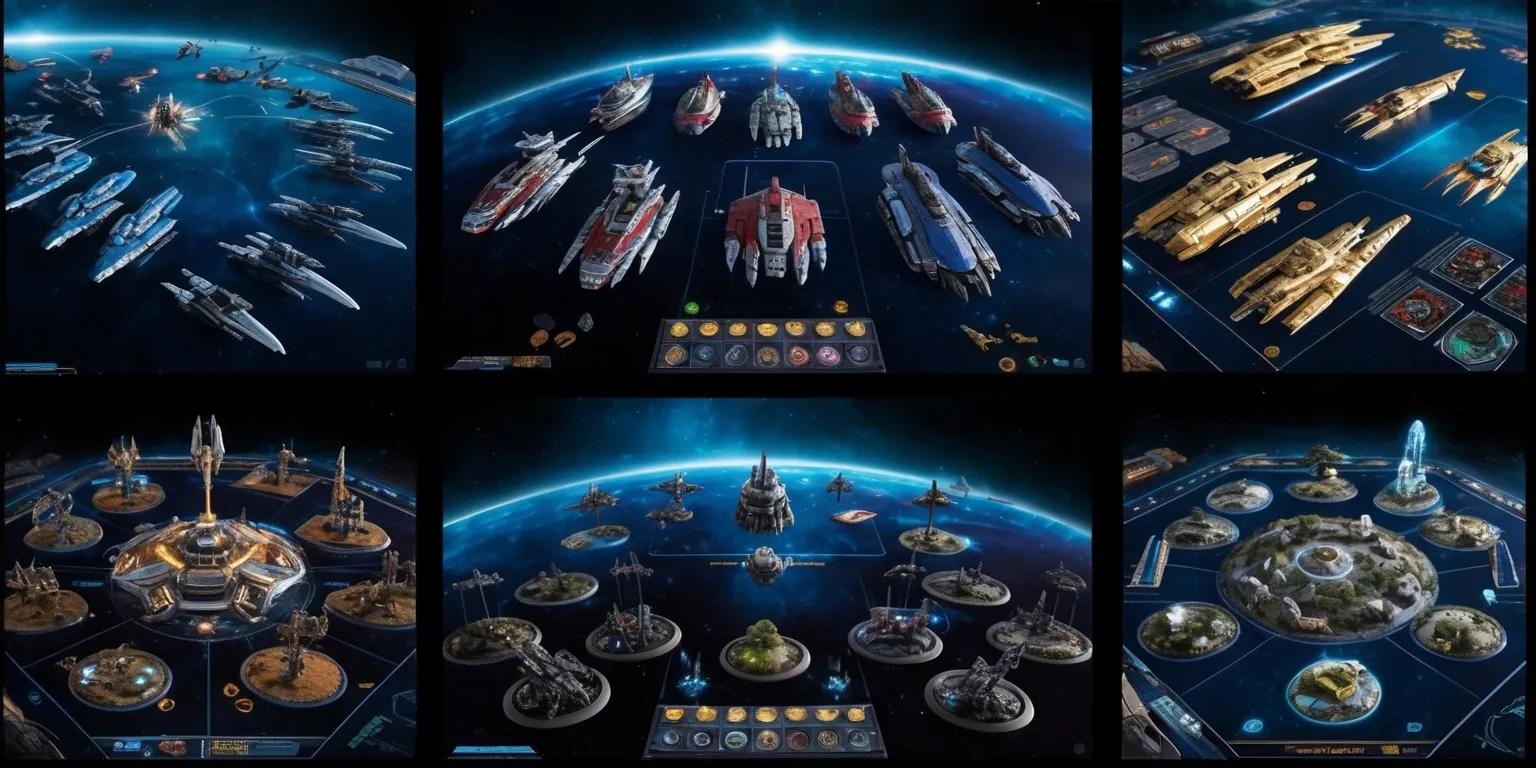
The visual appeal of each mini is an undeniable highlight. Every race is represented by distinct, purposefully chosen color palettes and semi-transparent accents that enhance their visual storytelling. Terrans feature muted blue tones accented with bursts of orange and green effects, while the Zerg boast a striking pinkish-purple look that immediately sets them apart. The Protoss, with their vibrant yellows coupled with blue energy accents, evoke the futuristic and sophisticated nature of their kind. This attention to detail extends to smaller components, such as the translucent Pylon miniatures that incorporate a clear blue crystal. Even simple primer applications can bring out the intricacy of each model, making the game not Not merely a contest of tactical maneuvers but also an exposition of strategic mastery showcase of miniature artistry.
Dynamic Deployment Systems
One element that truly distinguishes the gameplay is the… methodical and dynamic deployment of units from a reserve pool rather than a full-field deployment at the outset. The game limits the number of units on the battlefield based on the chosen mission, employing a supply system that evolves with each round. As rounds progress, the allowed supply value increases, gradually phasing in stronger and more numerous forces at an opportune pace. This gradual build-up not only prevents early missteps from having an insurmountable impact on long-term strategy but also forces players to rethink their tactics mid-game. The approach is reminiscent of an evolving campaign, where every round offers the opportunity for a strategic recalibration and tactical advantage based on newly deployed reinforcements.
Integration of Card-Based Warfare
Cards play a central role in dictating the flow and strategic depth of the game, working in tandem with the miniatures to create a hybrid of tactical board gaming and traditional miniature battles. Prior to the game, players choose from a wide range of Tactical and Faction cards that define the abilities and limitations of their forces. These cards encapsulate information regarding core units, elite troops, and even heroic figures drawn from the well-known legacy of the universe. Tactical cards, often representing buildings or special abilities, introduce layers of strategy that can span both defensive and offensive maneuvers during the match. With every card choice carrying both benefits and potential drawbacks, players must plan meticulously, balancing short-term gains against the longer campaign of conflict.
The Pulse of Rapid Combat
Engagements in this miniature war game are driven by a series of intuitive actions that simulate the high-tension skirmishes of real-time strategy battles. Movement across the tabletop is measured precisely, maintaining an element of physical engagement and tactical spacing. Once units come into contact, the combat phase utilizes a blend of dice rolling and surge mechanics that adds both randomness and strategy. Certain weapons come with designated surge types that allow them to overcome specific defenses when facing adversaries with matching attributes. This creates a layered combat scenario where strategic unit placement and type advantage are critical. The tactile experience of measuring movement, rolling dice, and calculating outcomes inadvertently mirrors the strategic complexity of digital battles, creating an immersive experience that challenges every player’s tactical acumen.
Shifting Strategies and Adaptive Tactics
One compelling aspect of the game lies in the fluid nature of the strategy as the match evolves round by round. With the introduction of a supply limit that resets and gradually increases, players are encouraged to approach each round not with rigid, predetermined moves, but with adaptability and foresight. The absence of a pre-set deployment order until units leave reserve makes early decisions provisional and open to change. This dynamic shift in strategy is reminiscent of rapidly changing battlefield conditions seen in strategic computer simulations. It drives home the importance of flexibility, as the requirement for fresh tactics often becomes apparent in the unfolding rounds. Players must consistently assess the battlefield situation, adjust their resources, and leverage the changing supply dynamics to outmaneuver their opponents.
Engagement with Iconic Characters
The game thoughtfully incorporates beloved characters and factions from the celebrated universe, giving players the opportunity to rally iconic heroes and commanders to their cause. Figures such as distinguished heroes from the Terran and Protoss sides are featured with special cards that deploy unique abilities and synergies. These key figures are more than just tokens; they provide strategic advantages that can decisively impact battles when used at the right moment. This choice reinforces not only a sense of nostalgia but also strategic depth by making every hero selection a critical aspect of overall gameplay planning. The presence of these characters bridges the gap between a digital legacy and its miniature manifestation, offering devoted fans a tactile, strategic connection to the lore and heritage of the classic space saga.
Balanced Risk and Reward in Combat
Within every engagement, Consider using: "the interplay between inherent risks and anticipated rewards has been" finely tuned to captivate and challenge seasoned gamesters. Combat is orchestrated through a careful negotiation of offensive surges and defensive maneuvers. The design of the surge mechanic ensures that aligning one’s attacking units against appropriately tagged defensive forces can significantly tilt the battleground in favor of a well-planned strike. This rock-paper-scissors element gives a palpable weight to every unit's positioning and engagement decision. The ongoing interplay between the chosen tactical cards, unit types, and surge effects creates an environment where each roll of the dice carries both opportunity and consequence. Such mechanisms force players to constantly calculate the potential yield of high-risk maneuvers versus conservative, methodical plays, thereby enriching the overall strategic landscape.
Economic Considerations and Value
Although the game delivers a deeply engaging strategic experience, and intricate gameplay systems, it also carries inherent economic considerations that mirror broader trends in the miniature gaming hobby. The initial entry kit, featuring a couple of armies, is priced at a premium, and acquiring additional sets or specialized miniatures represents a further investment. Despite the stimulating strategic gameplay and visual quality, such pricing may present a barrier for some enthusiasts. However, the design team's decision to provide the full rulebook for free, along with a browser application containing all necessary card details, helps alleviate some of the initial costs. This approach reflects an adaptive strategy in game distribution, aiming to balance quality production with accessibility, thereby appealing to both dedicated Devoted collectors and casual gamers in search of top-tier quality yet engaging tabletop experience.