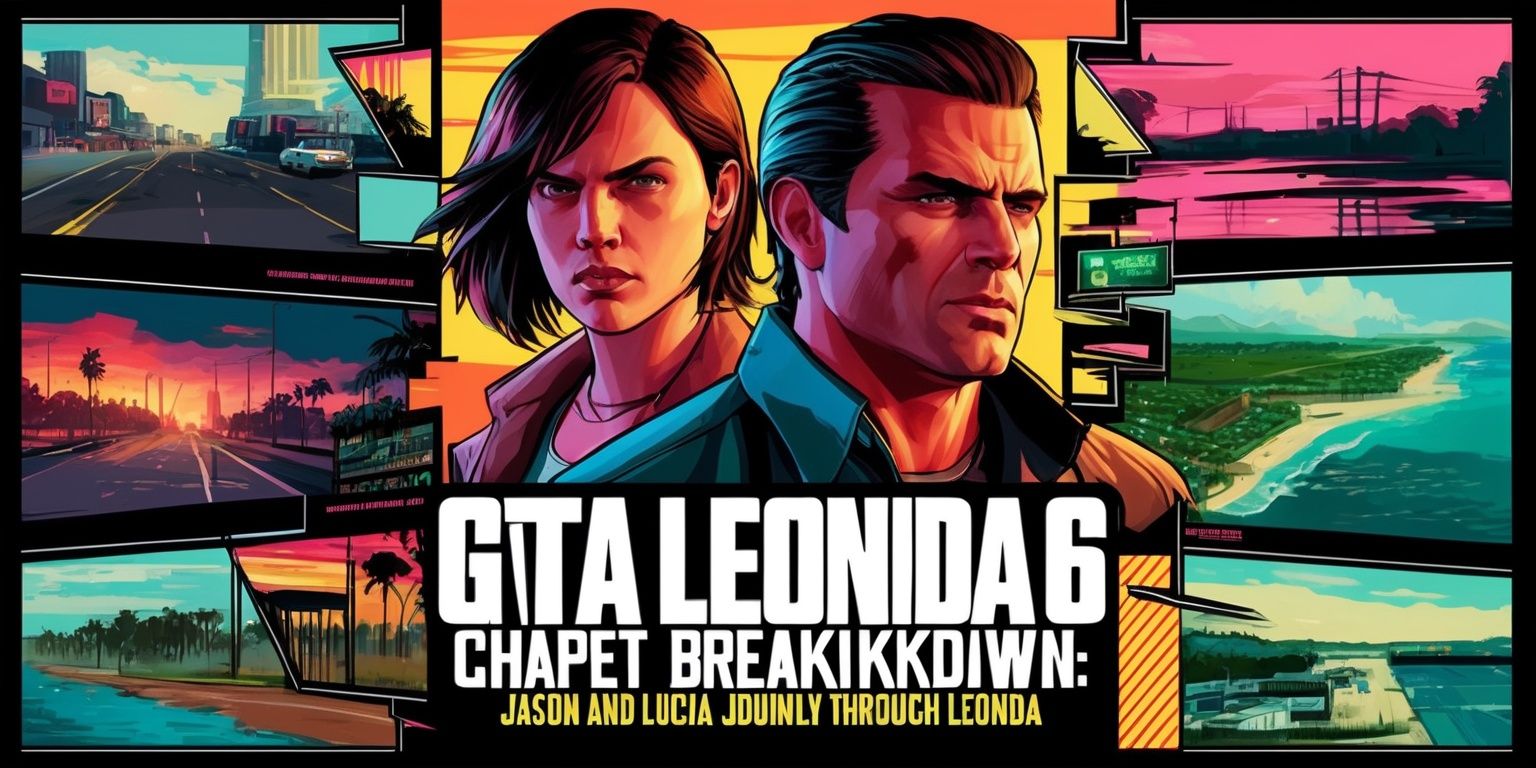
GTA 6 organizes its story into a structured sequence of chapters and missions that guide Jason and Lucia through Leonida’s sun-soaked streets, risky opportunities, and steadily escalating conflicts. Rather than dropping players into a single long chain of events, the game divides progression into distinct sections that each introduce new mechanics, new pressures, and a broader view of the world. That format makes the journey feel paced and textured, with every phase adding something different to the experience. Some segments focus on getting settled, others open the door to larger schemes, while the later portions push the characters deeper into the chaotic side of Vice City life.
Players who want to understand the full shape of the campaign will find that the main story is not just a list of objectives. It also serves as an indication of how the game expands its systems over time. The early hours are about learning how the world works, the middle sections broaden the range of activities, and the later chapters bring the narrative together with more daring jobs and more complicated relationships. The structure helps make Leonida feel alive, because the environment, the mission design, and the character shifts all evolve together.
A campaign built in five distinct stages
GTA 6 features five major chapters, and each one works like a milestone in Jason and Lucia’s shared story. These chapters are not just labels; they represent different moods, locations, and gameplay rhythms. The first chapter settles the player into the setting, while later chapters widen the scope and raise the stakes. This design gives the campaign a gradual climb rather than a sudden leap, so the world feels as if it is unfolding naturally. It also means that players can expect variety in mission tone, from quieter setup tasks to more demanding criminal operations.
The chapter system is useful for pacing because it lets the game introduce new ideas at a steady rate. Instead of overwhelming the player, GTA 6 layers its mechanics over time. This also helps the story breathe. A chapter can focus on personal circumstances, another on character switching, and another on the growing pull of Vice City’s underworld. The result is a campaign that feels organized without becoming predictable, giving each phase its own identity while still feeding into the broader narrative.
The opening prologue and the first steps into Leonida

Before the five chapters begin, GTA 6 includes a short prologue mission. This serves as the first contact point with the game’s world and establishes the tone before the main structure starts. It is brief, but it matters because it creates the opening rhythm and gets the player ready for what follows. Prologues in games often act as a symbolic handshake, and here that is exactly the purpose. The player is introduced to the atmosphere, the constraints, and the early sense of direction that will carry into the campaign.
Once Chapter 1 starts, the focus shifts to Jason and his life in Leonida. This early stretch emphasizes familiarity, routine, and preparation. It is where the game begins to link character identity with the setting, making the player feel how the region shapes decisions and opportunities. The missions in this segment are designed to ease the player into the larger structure, while quietly laying the groundwork for Lucia’s eventual return. The pacing is deliberate, allowing the world to feel grounded before the story becomes more expansive.
Chapter 1 Just Like Paradise and the tone of settling in
The first chapter, Just Like Paradise, places Jason at the center and gives the player a sense of everyday life in Leonida before the larger plot swells. The chapter is about orientation as much as it is about narrative. Jason is getting used to the environment, and the player is doing the same. This shared adjustment creates a strong link between story and gameplay. The objectives in this stage are less about spectacle and more about establishing comfort with the world’s systems, movement, and social texture.
A major narrative thread in this chapter is the preparation for Lucia’s release from Leonida Penitentiary. That creates a clear emotional and structural purpose for the missions: the player is not simply completing tasks, but moving toward a reunion that will reshape the entire campaign. The chapter’s title matches its mood, presenting a surface calm that hints at deeper complications. It is an early promise that the world may look bright and breezy, yet underneath there is already tension building toward the next phase.
How mission order can change the rhythm of play
One of the most flexible parts of GTA 6’s story structure is that the order of main missions may vary. The game often gives the player options, so the route through the campaign can differ from one playthrough to another. That makes the chapter system feel less rigid and more reactive. Instead of a single fixed sequence, players can shape their own path within the larger framework. This choice adds replay value because the story can unfold with slightly different emphasis depending on what is tackled first.
That flexibility also affects how the game feels moment to moment. Some players may choose missions that keep the pace fast, while others may prefer to slow down and explore the consequences of a particular arc before moving on. It is a useful design choice because the larger world of Leonida supports different play styles. The chapter structure remains intact, but the experience inside it can shift, creating a sense that Jason and Lucia’s story belongs to the player’s timing as much as to the scripted sequence.
Chapter 2 Paradise Lost and Lucia’s growing role
Paradise Lost opens the story outward, bringing Lucia more strongly into the center and allowing the narrative to expand beyond the first chapter’s more contained setup. This is the point where the game begins to show how dual-character storytelling can work in practice. Lucia’s presence changes the emotional balance of the campaign, and the player gains a clearer understanding of the relationship that lies at the center of the story. The chapter gives more space to her perspective, making the relationship feel like an active force rather than a background detail.
Mechanically, this chapter is where the game starts to broaden what it expects from the player. Character switching is introduced, and that changes the structure of how missions can unfold. It also opens the door to stealing cars, which naturally links the story to the systems that define open-world mobility. This chapter feels like the moment when GTA 6 begins to trust the player with more tools and more freedom. The game’s world becomes less about introduction and more about participation in its criminal ecosystem.
The introduction of switching characters and mobility systems
Character switching is one of the defining features of GTA 6’s campaign structure, and its early introduction in Chapter 2 helps make it feel essential rather than optional. By giving players access to both Jason and Lucia, the game can vary mission roles, perspectives, and pacing. That creates a richer sense of partnership because each character can contribute differently depending on the task. The system also reinforces the theme of collaboration, that lies at the heart of the story’s emotional and practical design.
Car theft as a gameplay element is another example of how the title blends story and mechanics. In a world like Leonida, vehicles are more than a means of getting around; they belong to the identity of the setting. Learning how to take cars and move through the city quickly helps the player understand how the open world functions. These systems become part of the campaign’s texture, emphasizing speed, improvisation, and adaptability. The game is clearly building toward larger operations, but it does so by first teaching the player how the world can be navigated and used.
Chapter 3 Tits, Ass, Drug Money and the move toward Vice City
Chapter 3, with its loud and memorable title, marks a clear shift in tone and setting. Jason and Lucia reach Vice City, and the narrative begins to lean more openly into criminal enterprise. The chapter has a more charged energy because the world feels larger and more consequential now. The pair are no longer just settling in or adapting. They are stepping into a more direct relationship with the city’s underworld, where opportunities are bigger and risks are sharper.
This part of the campaign is also where heists begin to enter the picture more clearly. The pacing changes as the story starts connecting smaller actions to larger operations. That creates a stronger sense of escalation, because the player can feel the campaign moving from simple groundwork to something more ambitious. Vice City becomes not just a location but a stage for increasingly serious choices. The chapter’s wild title reflects the game’s willingness to mix style, scandal, and danger in equal measure.
Heists as a turning point in structure and scale
Heists represent a major shift in GTA 6’s mission design because they combine planning, execution, and pressure in a more layered way than earlier tasks. Once these operations enter the campaign, the game’s scope broadens noticeably. They help transform the story from a character-driven sequence into a more elaborate criminal drama. The player is no longer just reacting to events; they are helping shape them through coordinated missions that depend on timing and precision.
From a gameplay perspective, heists also alter the rhythm of progress. They generally require more setup and more attention to detail, which makes them feel like milestones instead of routine jobs. This is important because the game’s chapter system is built to showcase growth. By the time heists appear, the player has already learned enough about Leonida, the characters, and the controls to appreciate the complexity. The missions feel like a reward for that progression, while also reminding the player that things are becoming harder to manage.
Chapter 4 Vice City, Baby and the rise of uncertainty
Vice City, Baby keeps Jason and Lucia in the thick of the city’s action, but the atmosphere becomes noticeably less stable. The story starts to blur the line between allies and threats, which gives the campaign a stronger sense of tension. This chapter feels more unpredictable because trust is no longer simple, and the world itself seems less easy to interpret. That uncertainty is important for maintaining momentum, since it keeps the player alert and emotionally invested in what comes next.
As a gameplay chapter, this stage likely benefits from the foundation laid earlier. The player has already learned how to switch characters, move through the city, and engage with more complex objectives. Now those skills are tested in a more dangerous context. The environment feels busier and more psychologically charged, which makes the missions more gripping. The title suggests a playful attitude, but the content underneath it is shaped by growing instability and the need to read people and situations more carefully.
Relationships, trust, and the shifting social landscape
One of the strongest qualities of GTA 6’s story design is how it uses relationships to frame the city around the player. As the campaign progresses, Jason and Lucia do not simply move through missions; they move through shifting circles of trust, dependence, and risk. That social texture becomes especially important in the later chapters, where the difference between a useful contact and a dangerous liability is harder to judge. The narrative gains depth when personal bonds begin to influence the way objectives feel.
This aspect of the game also supports the larger open-world atmosphere. Leonida is not presented as a neutral playground. It is a place full of competing agendas, and the player is constantly reading the mood of the environment. That makes the story feel more grounded, even during high-risk jobs. The tension is not only about action, but about uncertainty. Every meeting, target, and exchange can carry consequences, and that helps the final chapters feel more pressured and more alive.
Chapter 5 Top of the World, Ma and the final stretch
Top of the World, Ma launches the campaign toward its final phase, and the naming alone suggests heightened ambition. At this point, the story is moving toward resolution, and the player may feel compelled to take full advantage of resources and opportunities before the end arrives. The text around this chapter suggests a practical concern with the family saving account, which implies that money management still matters even as the narrative approaches its peak. That is a neat way of linking emotional progress with game systems.
The final chapter is where the structure of the whole story becomes clear. Earlier missions now feel like preparation for what this stage requires. The characters, the setting, and the mechanics have all been developed enough that the player can appreciate how much has changed from the opening moments. The mood is more urgent, the stakes feel more concentrated, and the campaign’s layered progression reaches its highest intensity. The chapter title fits that sense of elevation, putting the characters at the edge of their shared journey.
Why the chapter layout matters for the full experience
The five-chapter design gives GTA 6 a strong framework for storytelling and gameplay variety. It allows the developers to introduce features gradually while keeping the narrative coherent. Each chapter has a different function: one establishes the world, another introduces flexibility, another expands the criminal side of the plot, and the later ones sharpen the emotional and strategic pressure. That structure helps the game present Leonida as a place that changes with the player’s progress, rather than as a static backdrop.
It also helps the campaign feel naturally layered. The player learns how to move, how to switch, how to approach jobs, and how to interpret the city’s social environment. By the time the final chapter arrives, the world has become much richer than it was at the start. The chapter system is therefore more than a guide to mission count. It is a storytelling method that shapes pace, mood, and player understanding across the full arc of Jason and Lucia’s journey.
Mission flow, side systems, and the feel of progression
While the main story is split into chapters, the broader experience of GTA 6 also depends on how missions interact with side systems and world activity. The campaign’s structure encourages a sense of continual movement, but the open world adds alternate rhythms in between key story beats. That turns the journey from a simple path into a web of activities connected by a central plot. Players can move between objectives, free exploration, and practical tasks tied to money, relationships, or escape.
That interplay matters because it gives the story weight outside of cutscenes and scripted moments. Each mission feels connected to the wider life of Leonida. The player is not only advancing through chapters but also building familiarity with the economy, the map, and the characters’ position within it. This is why the game’s chapter structure works so well: it organizes the narrative, but it never fully separates story from world. Everything feeds into the feeling that Jason and Lucia are living through a place that is active, reactive, and constantly in motion.